Emerging Infectious Diseases Surveillance
Program Overview
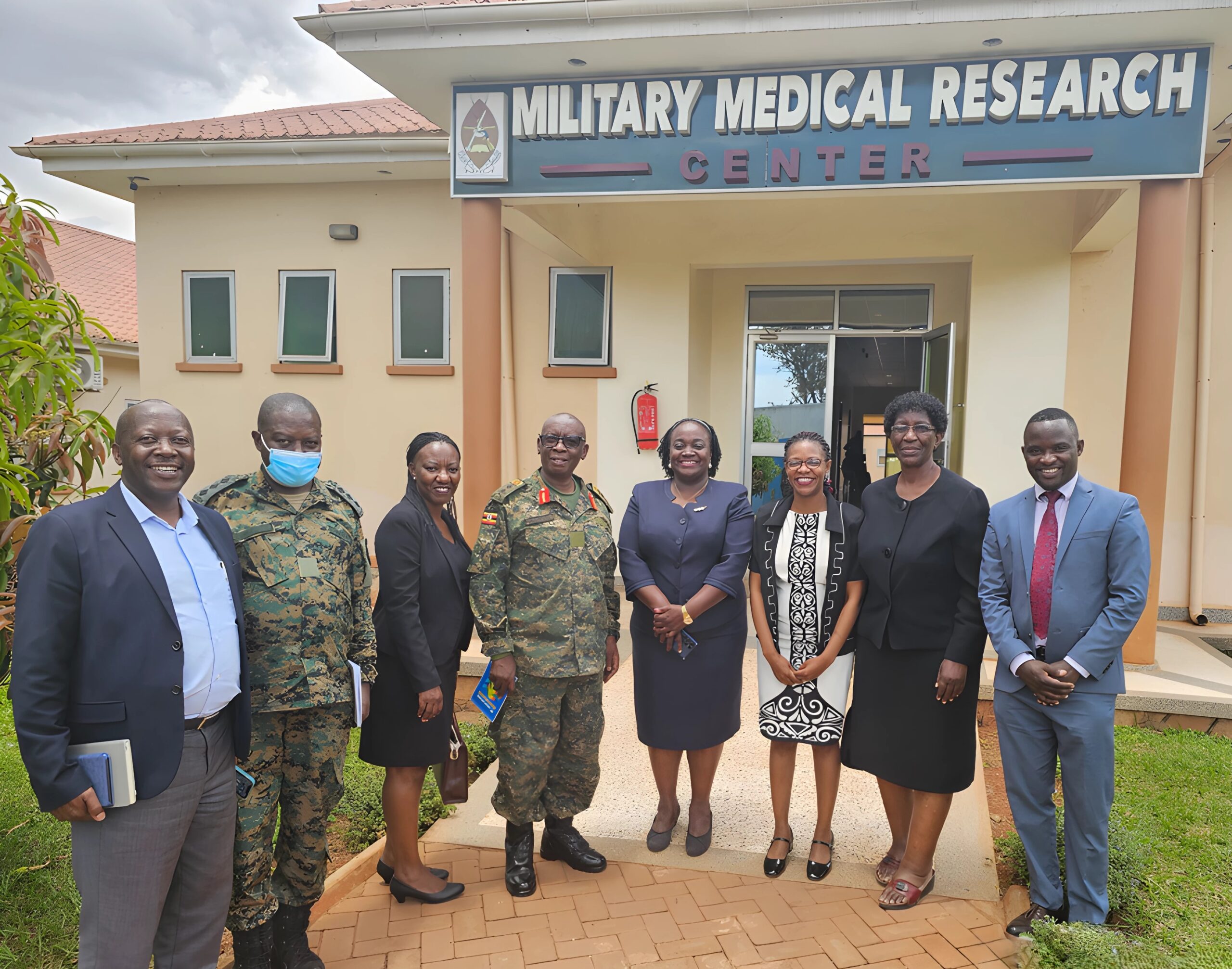
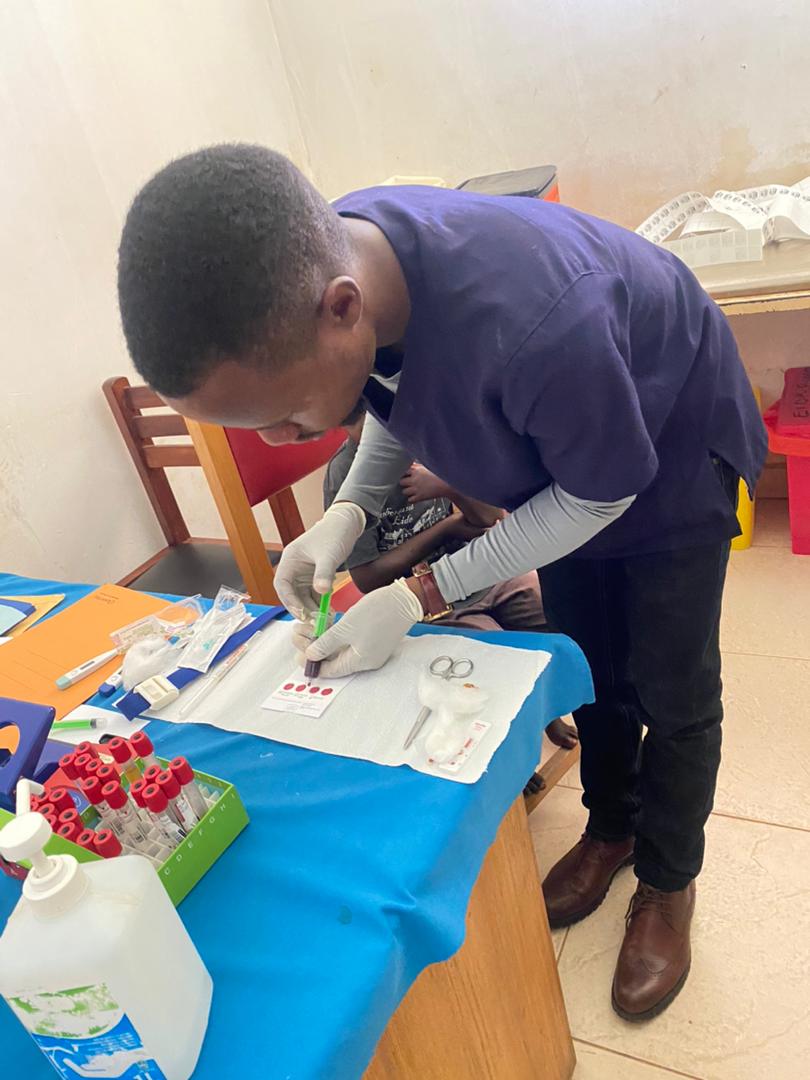
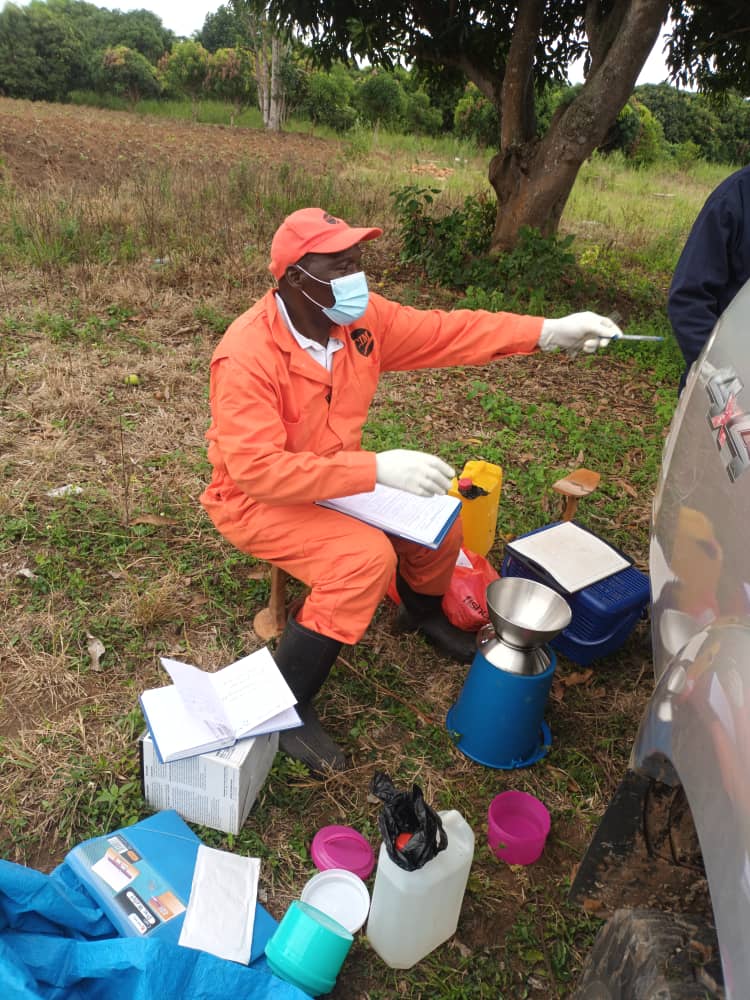
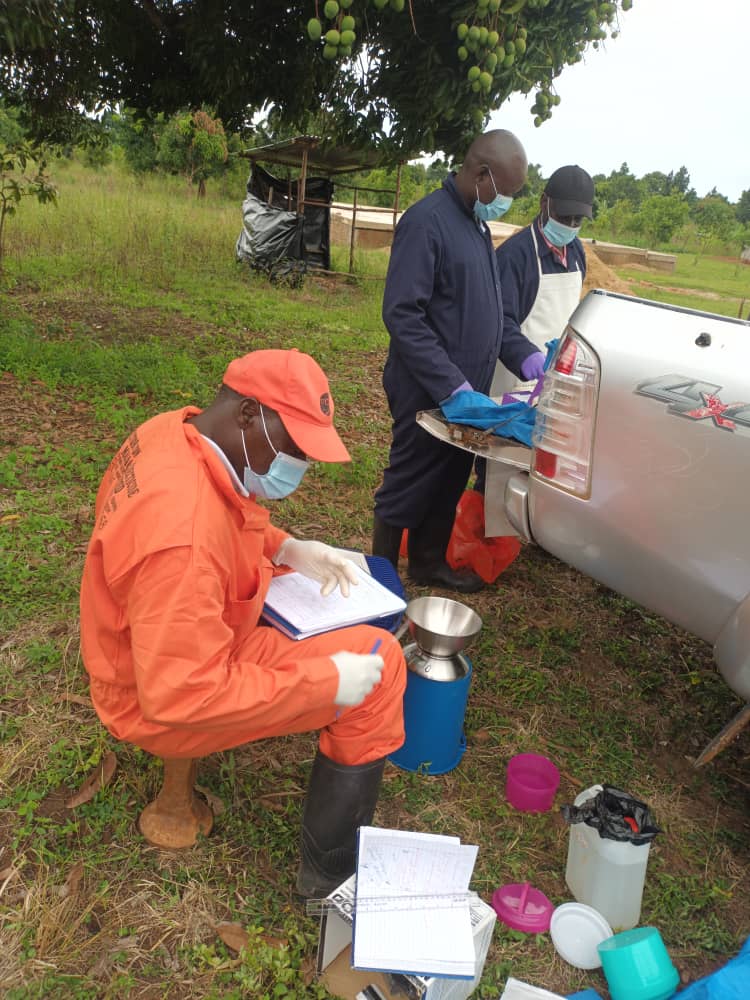
The Emerging Infectious Disease Program (EIDP) is one of MUWRP’s signature programs. Est 2007, EIDP has and continues to support Uganda’s health care systems to prevent, detect, and respond to emerging and re-emerging global health security threats through a public health focused health system strengthening and capacity building lens. The program currently implements six projects; ACESO's capabilities include:
- Influenza and other (ten) respiratory pathogens surveillance in humans in Uganda
- Antimicrobial resistance surveillance in healthcare associated infections (HAI) bacteria and STI among civilian, military and high-risk populations in Uganda
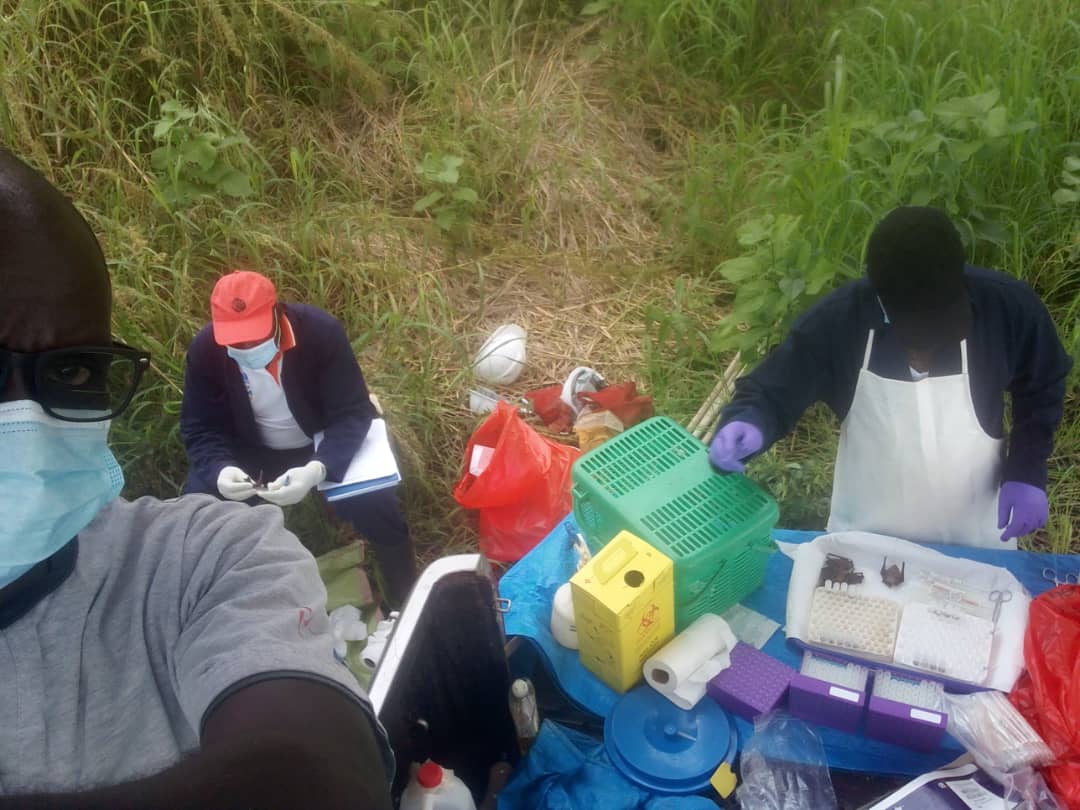
- Detecting Emerging Zoonotic Viruses at the human-animal-environmental interface(s) in Bats, Swine, Poultry in Uganda
- Acute undifferentiated febrile illness surveillance in military and civilian populations in Somalia
- Acute febrile illness and vector-borne pathogens surveillance in military and civilian populations in Uganda,
- Surveillance of acute gastroenteritis in the military in Somalia;
All funded through the generous support of the United States Department of Defense’s (US-DoD) Defense Health Agency (DHA), under the Global Emerging Infections Surveillance division (GEIS). The program is led by an Infectious Diseases and Global Health specialist, with over ten years’ experience in Global health, health systems strengthening, research, and program management.
Our surveillance and implementation science projects straddle two countries (Uganda and Somalia); covering eight districts in Uganda, and Mogadishu in Somalia; focusing on civilian and military health institutions more so those located within high-volume and high-risk settings. We work with national (Mulago and Kiruddu), regional (Gulu and Jinja), district (Bwera), and military (Bombo GMH and ATMIS Level II Somalia) hospital system, achieved through collaboration with the Uganda and Somalia Ministries of Health, defense forces, public health workers, select universities, and other stakeholders.
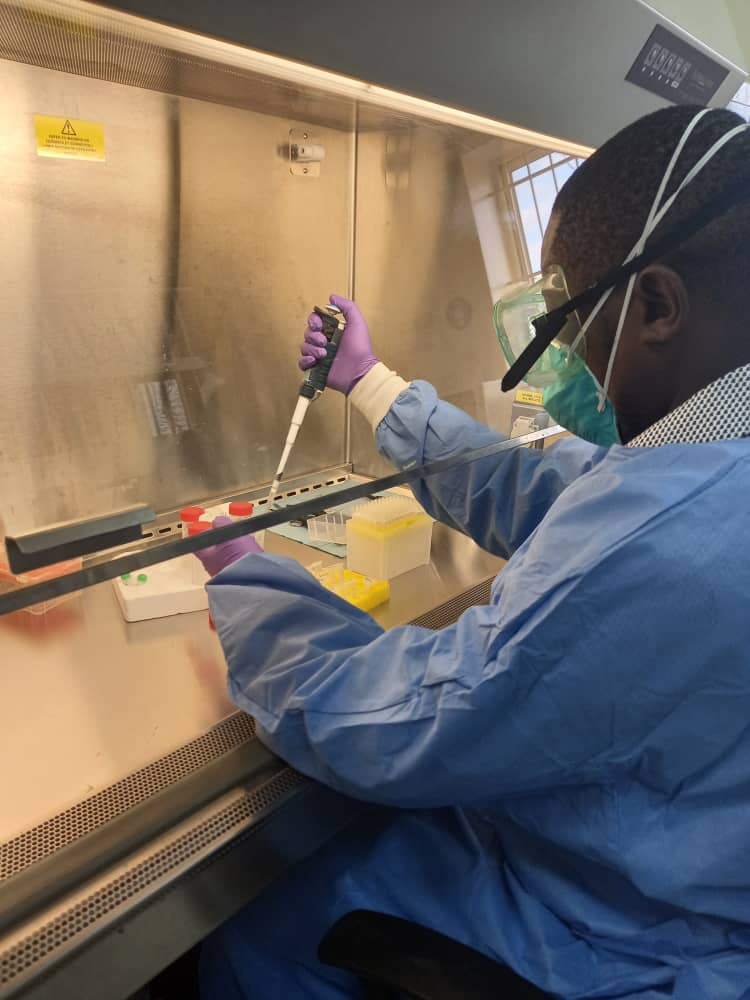
The MUWRP EID laboratories are equipped with negative pressure chambers and biosafety cabinets to enhance the biosafety. The labs have capability for serological and molecular testing, virus isolation, and immunological assays. More specifically, the CoVAB laboratory is compartmentalized to minimize cross contamination, including a clean cell culture room, virus isolation room, pre-amplification room, amplification room, laboratory store, and darkroom. Our laboratories participate in external quality control with Ministry of Health, St Jude Children’s research hospital (WHO reference lab for influenza), the United States Army Medical Research Institute of Infectious Diseases (USAMRIID), and the United States Walter Reed Army Institute of Research’s Multidrug-Resistant Organism Repository and Surveillance Network (MRSN).
Key Pieces of the equipment
- Two ABI 7500 Fast Real time PCR systems
- Quant studio 7 Flex
- Oxford nanopore minION sequencer and accessory equipment
- Class A2 Biological safety cabinets
- Different platforms form nucleic acid extraction
- MAGPIX
- -80c Freezers
- -20c Freezers
- Incubators
- Agilent analyzers
- UV gel illuminator
Program locations
Kampala
EiDP Program
Gulu
EiDP Program
Jinja
EiDP Program
Wakiso
EiDP Program
Kasese
EiDP Program
Luweero
EiDP Program
The Facts
Cool Number
2000
Programs
3752
Projects
456
HIV Self-test Kits
3620