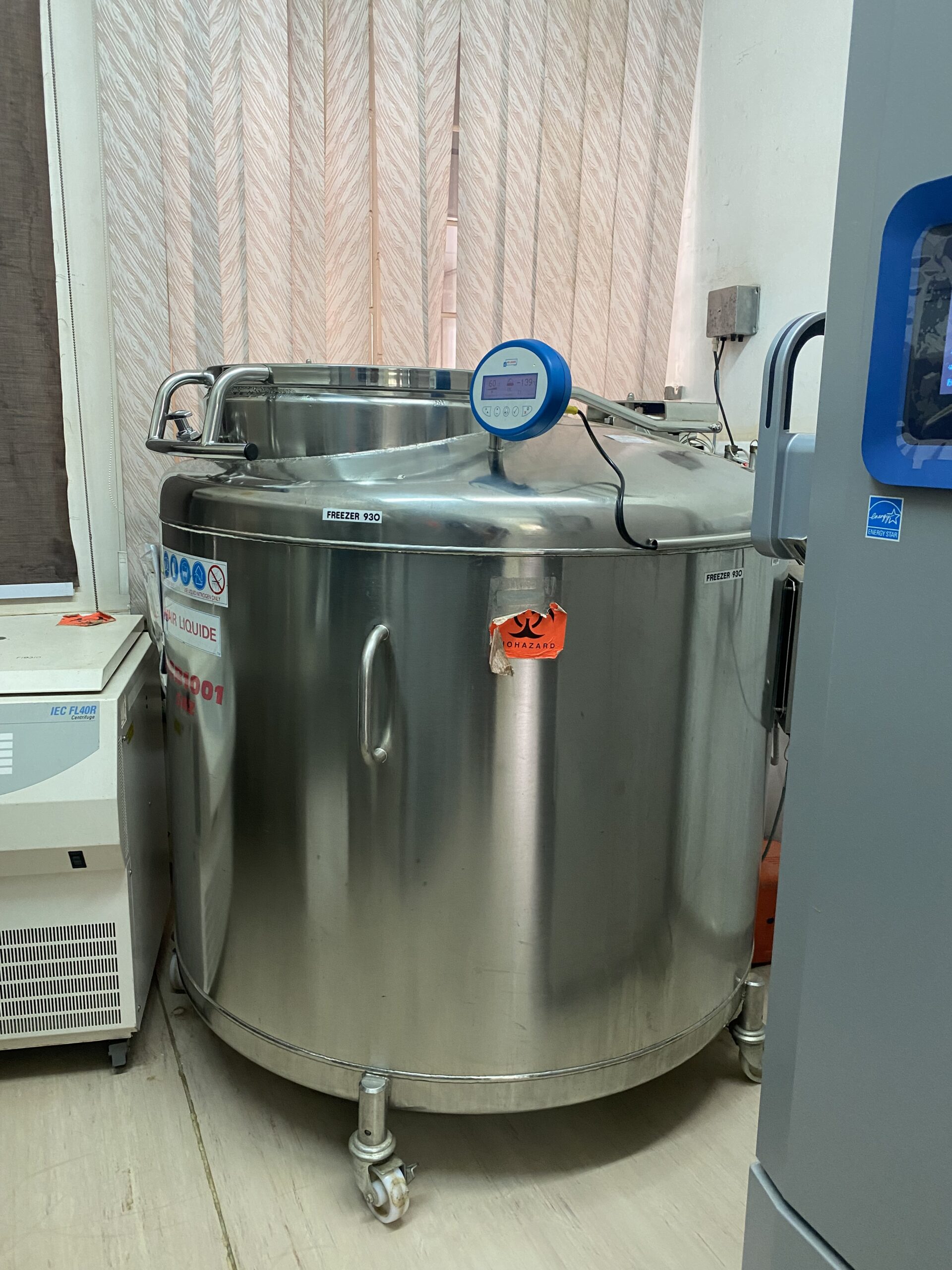
Research Laboratory
Our Administration Department serves as the operational backbone that keeps the organization running efficiently and effectively to impalement various programs and deliver impactful health outcomes. The department oversees the following functions
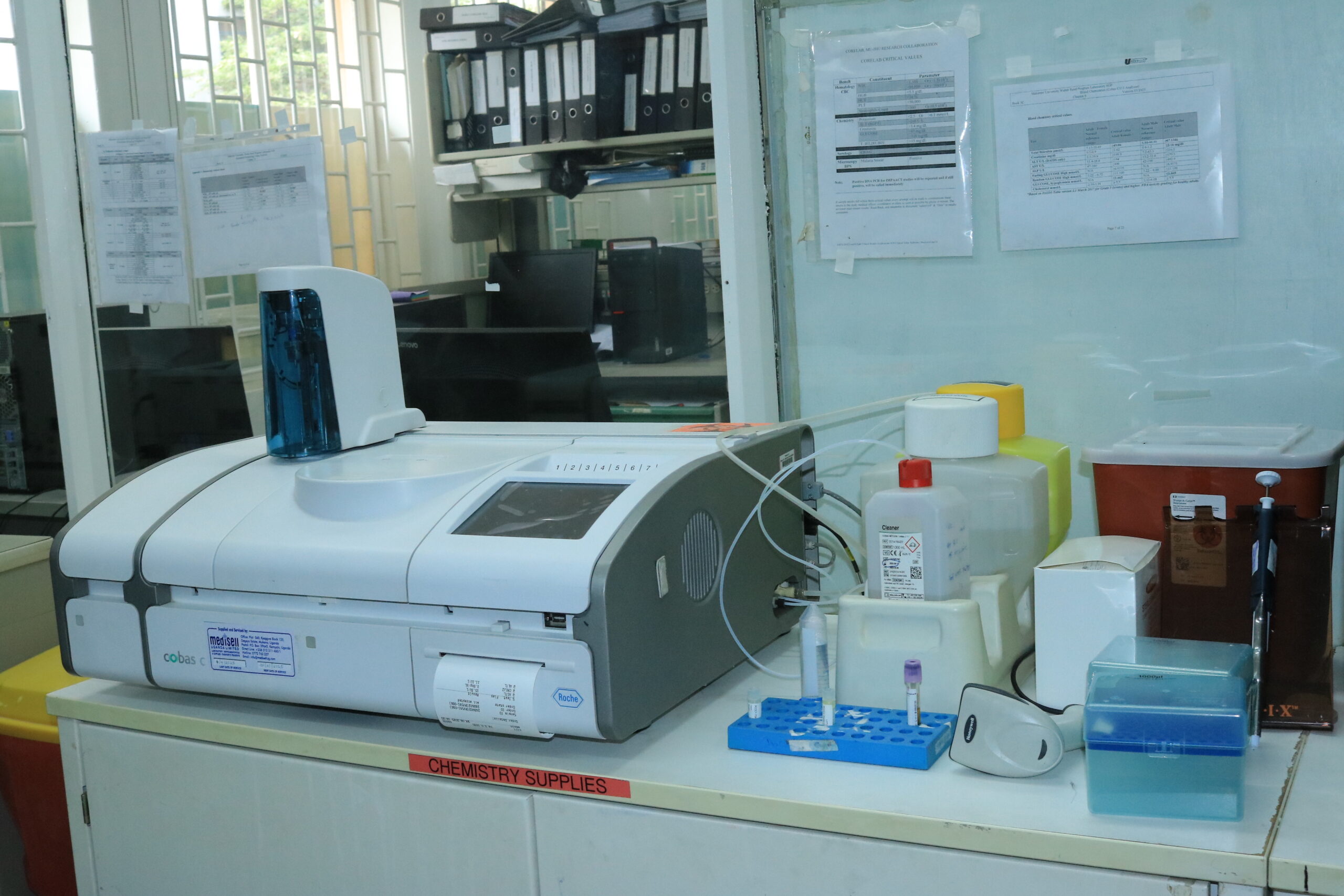
Safety Laboratory
The Safety Laboratory delivers routine clinical testing and safety monitoring services for research participants, ensuring their wellbeing and adherence to clinical trial safety requirements.
Core testing services include haematology, clinical chemistry, urinalysis, clinical immunology, and parasitology. These assays are essential for monitoring participant health, identifying adverse events, and supporting regulatory compliance throughout the duration of clinical studies.
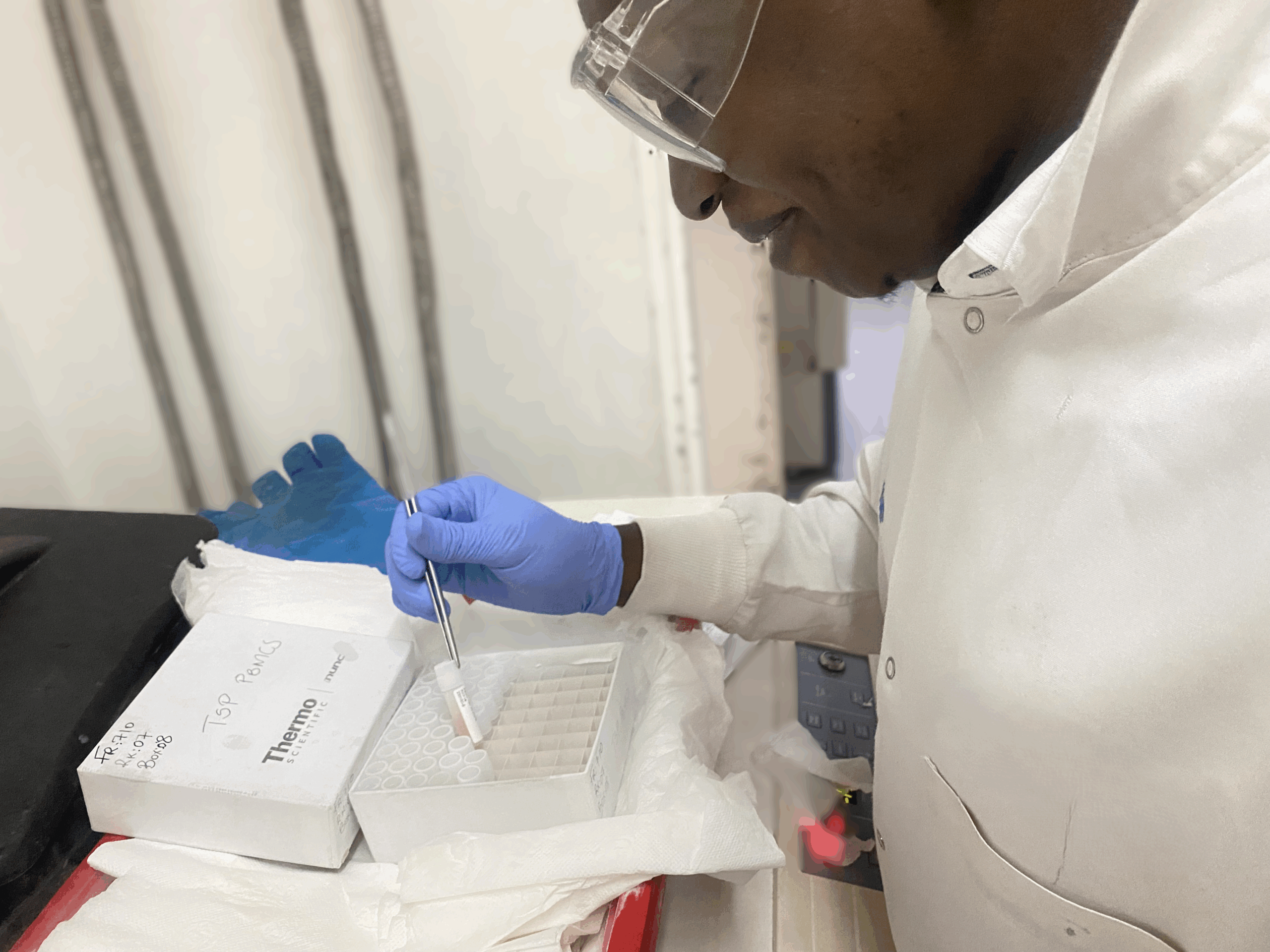
The laboratory conducts extensive sample processing and preparation to support downstream immunological, molecular, and virological analyses. Key activities include the isolation of peripheral blood mononuclear cells (PBMCs) from anticoagulated blood and the processing of diverse biological specimens.
Handled specimens include plasma, serum, cerebrospinal fluid, rectal and vaginal washes, mucosal samples, swabs, and lymphoid tissue. All processing follows standardized, validated protocols to preserve specimen integrity and quality, with a strong emphasis on low turnaround times to support time‑sensitive research workflows.
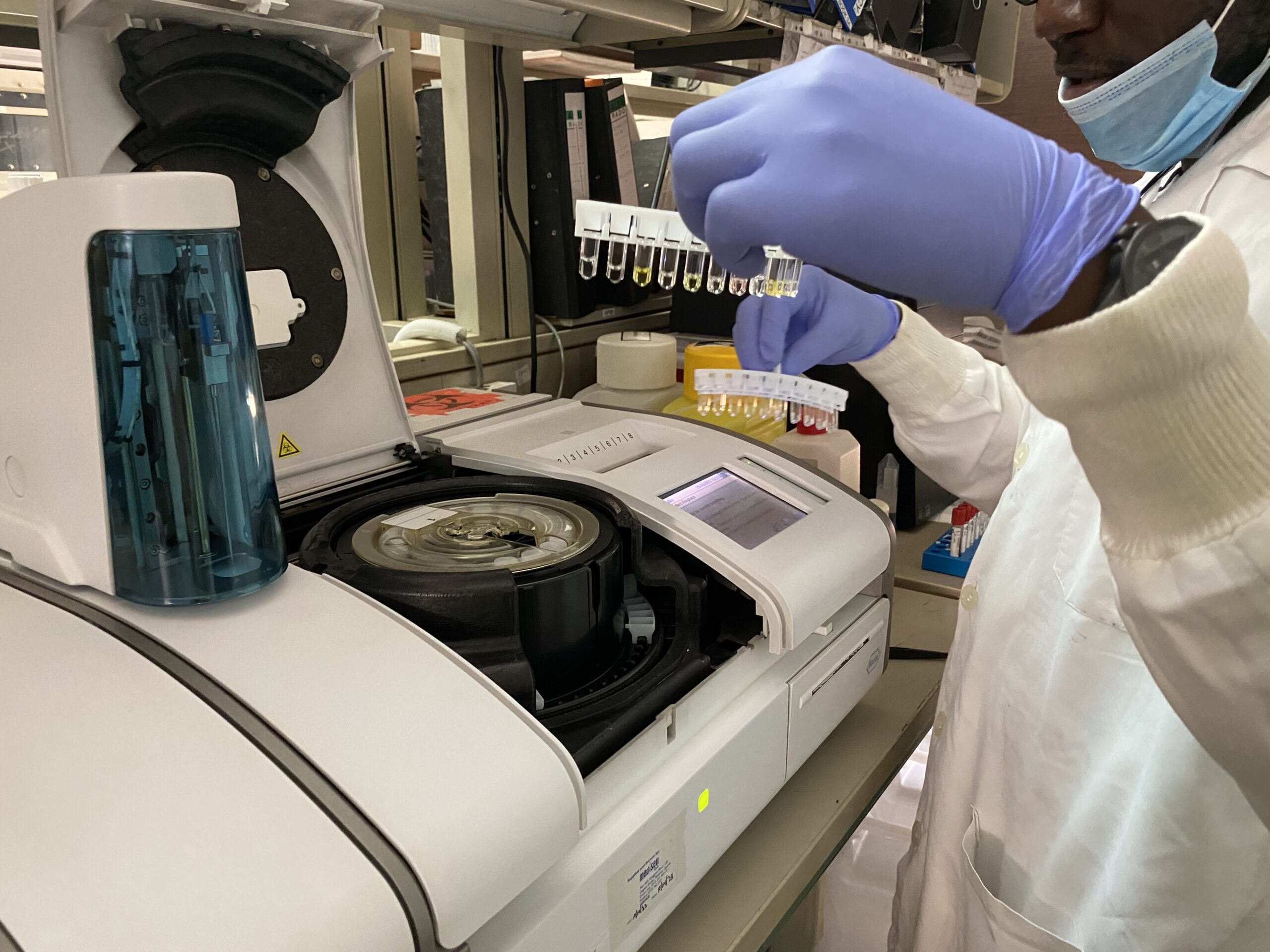
Centrifuge
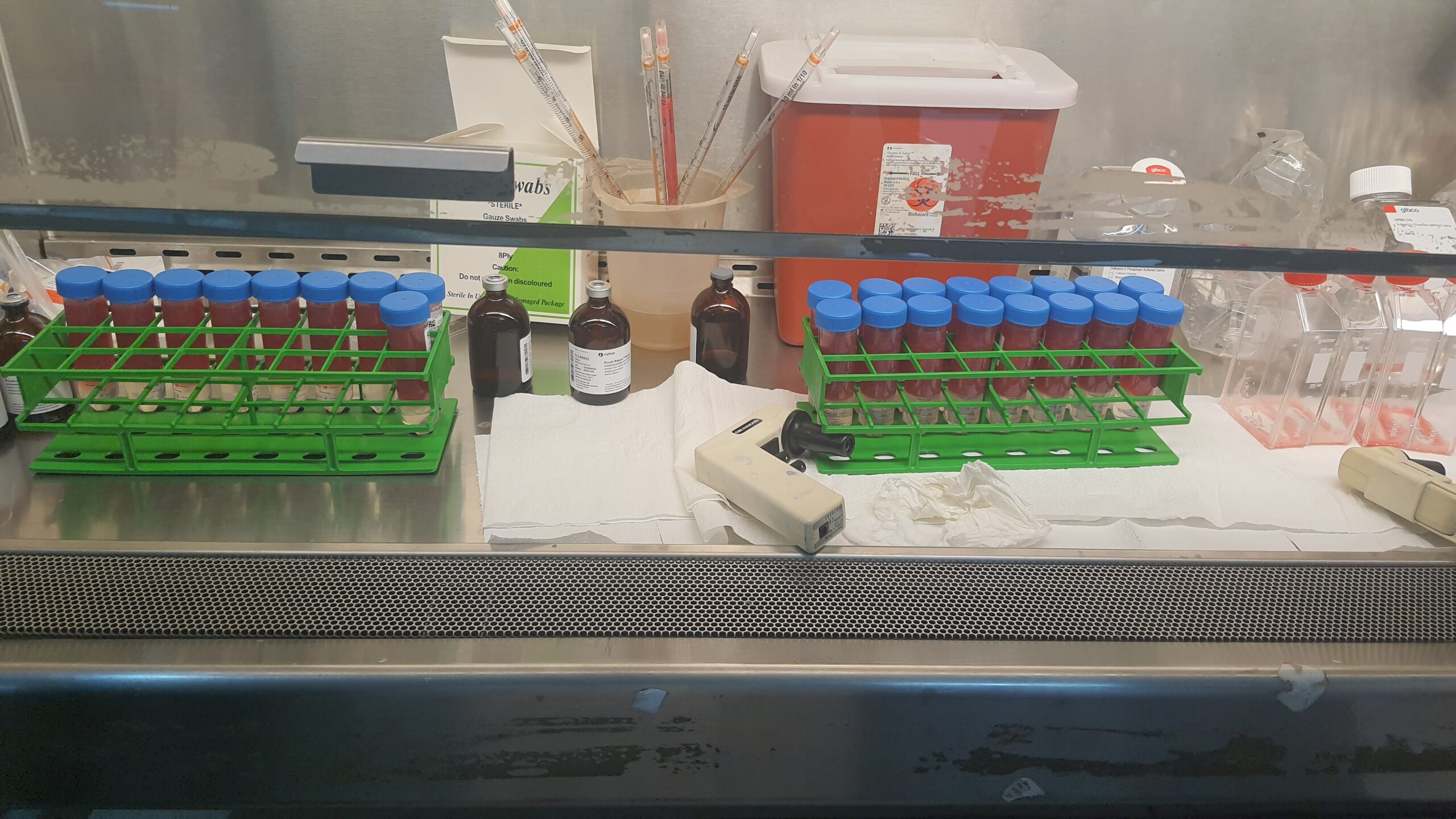
Sample Processing hood
Biorepository
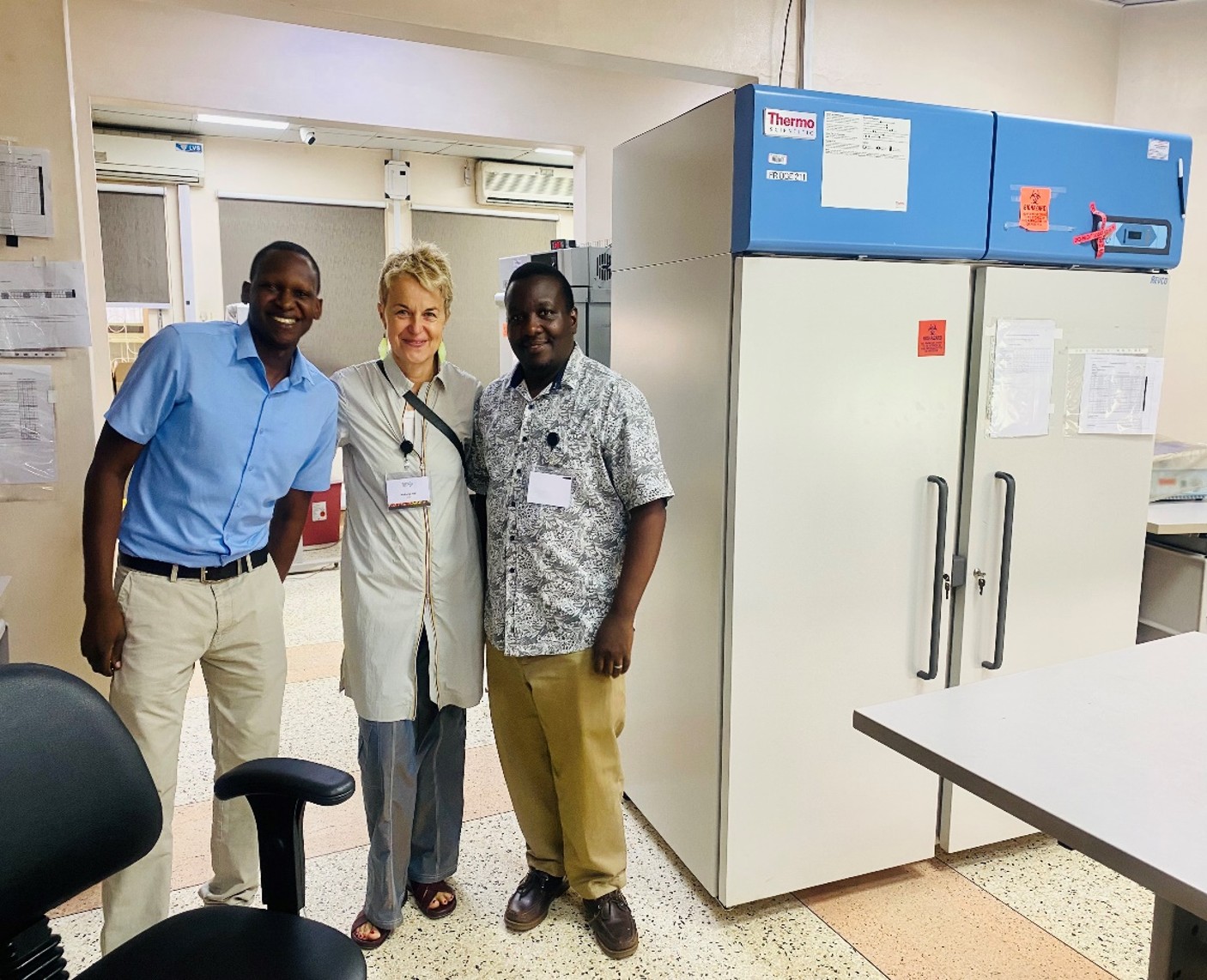
Our Biorepository provides secure, long‑term storage and management of biological specimens collected from clinical and research studies. The facility maintains tightly controlled storage conditions to preserve specimen integrity and ensure availability for both current and future research.
The repository is equipped with over 40 freezers operating at −20 °C, −80 °C, and −196 °C (liquid nitrogen), supported by two onsite liquid nitrogen plants for cryogenic preservation. Power continuity is ensured through two backup generators, safeguarding samples against electrical interruptions. Refrigerated storage units also support the preservation of reagents and biological reference materials.
Currently, the biorepository houses more than 934,741 aliquots, representing over 145,000 samples. Sample inventory and movement are managed using the FreezerWorks sample management system, which has recorded over 371,644 transactions. This system provides accurate tracking, secure inventory control, efficient retrieval, and full lifecycle documentation for all specimens. Storage units are continuously monitored using NIST‑calibrated thermometers and a GSM‑enabled cloud monitoring system to ensure temperature stability and sample integrity.
The laboratory also maintains IATA‑certified shippers who coordinate the safe and compliant shipment of research samples locally and internationally, enabling seamless collaboration with global research partners.
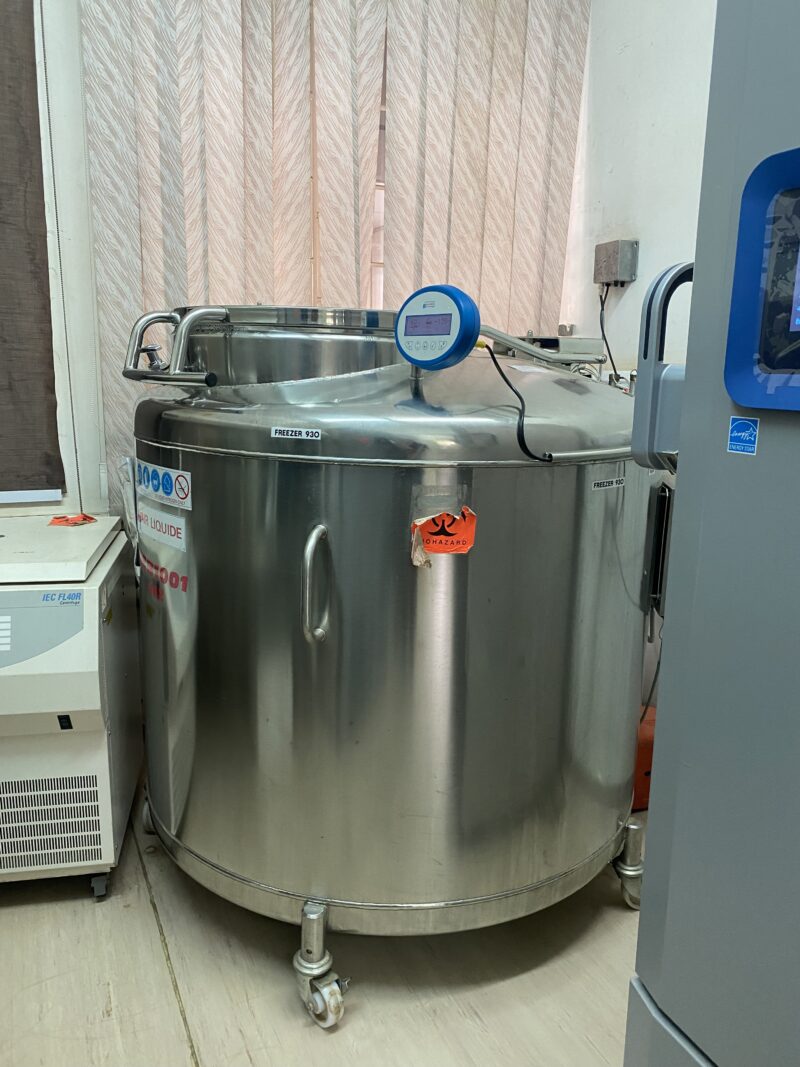
Freezer
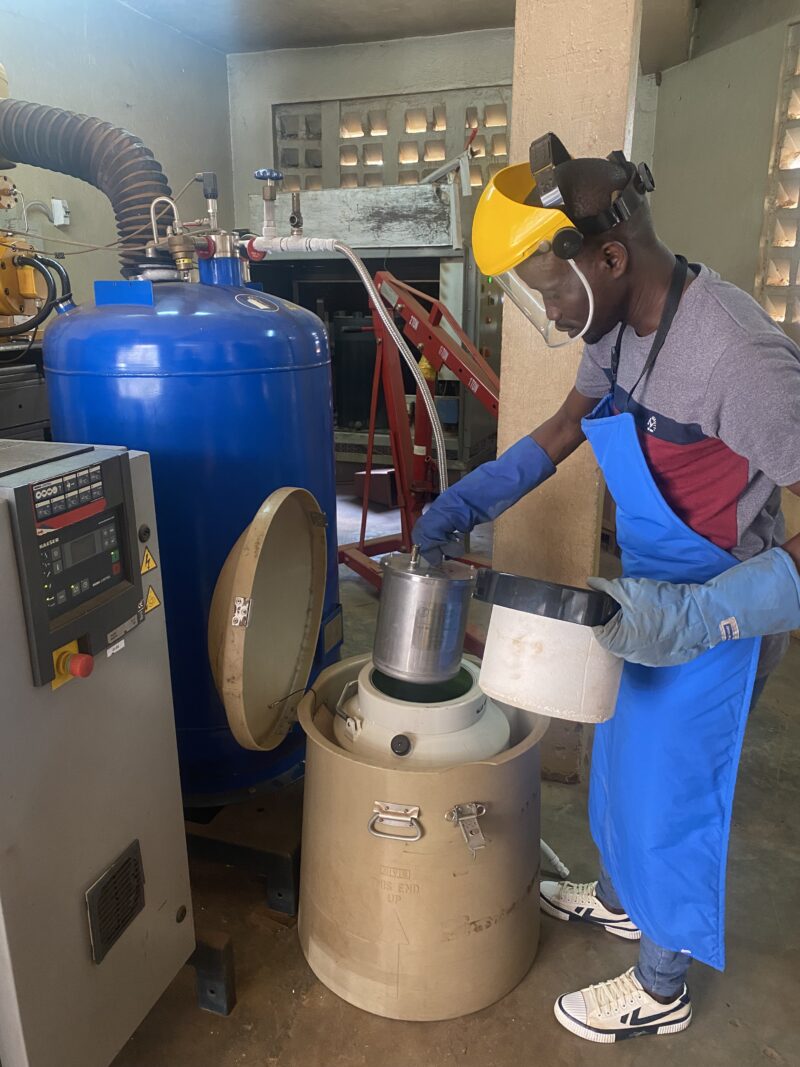
Liquid Nitrogen Plant
Immunology Laboratory
Our Immunology Laboratory is equipped with advanced instrumentation that supports cutting‑edge research in both cellular and soluble immunology. The facility houses high‑throughput flow cytometry platforms, including two three‑laser (8‑color) BD FACSCanto II instruments and a three‑laser Cytek Aurora capable of resolving up to 40 parameters simultaneously. This spectral technology enables high‑dimensional immune profiling and detailed multiparameter analysis.
Additional equipment includes two Muse cell analyzers and two Countess automated cell counters, which provide rapid and accurate assessments of cell concentration, viability, and morphology—essential for quality control in cell‑based assays. These capabilities have been applied to studies examining the immunophenotype and function of T cells, B cells, natural killer cells, and innate lymphocytes in adult and pediatric populations across a range of clinical conditions. High‑dimensional flow cytometry will soon be expanded to studies of immune responses in lymphoid tissue and menstrual blood.
For soluble immunology, the laboratory is equipped with Meso Scale Discovery (MSD) platforms for sensitive multiplex immunoassays, complemented by ELISA‑based systems for single‑analyte measurements using plate washers and readers. Biosafety cabinets support safe specimen handling, while CO₂ incubators provide optimal conditions for cell culture. Ultracentrifuges, precision pipetting systems, balances, and supporting infrastructure such as mixers, vortexers, water baths, ISO TEMP systems, and water purification units ensure reproducibility, accuracy, and operational reliability.
Collectively, these resources position the MUWRP Immunology Laboratory as a regional hub for translational research, supporting advances in HIV cure strategies, vaccine development, maternal and reproductive health, and the immunopathology of infectious diseases.
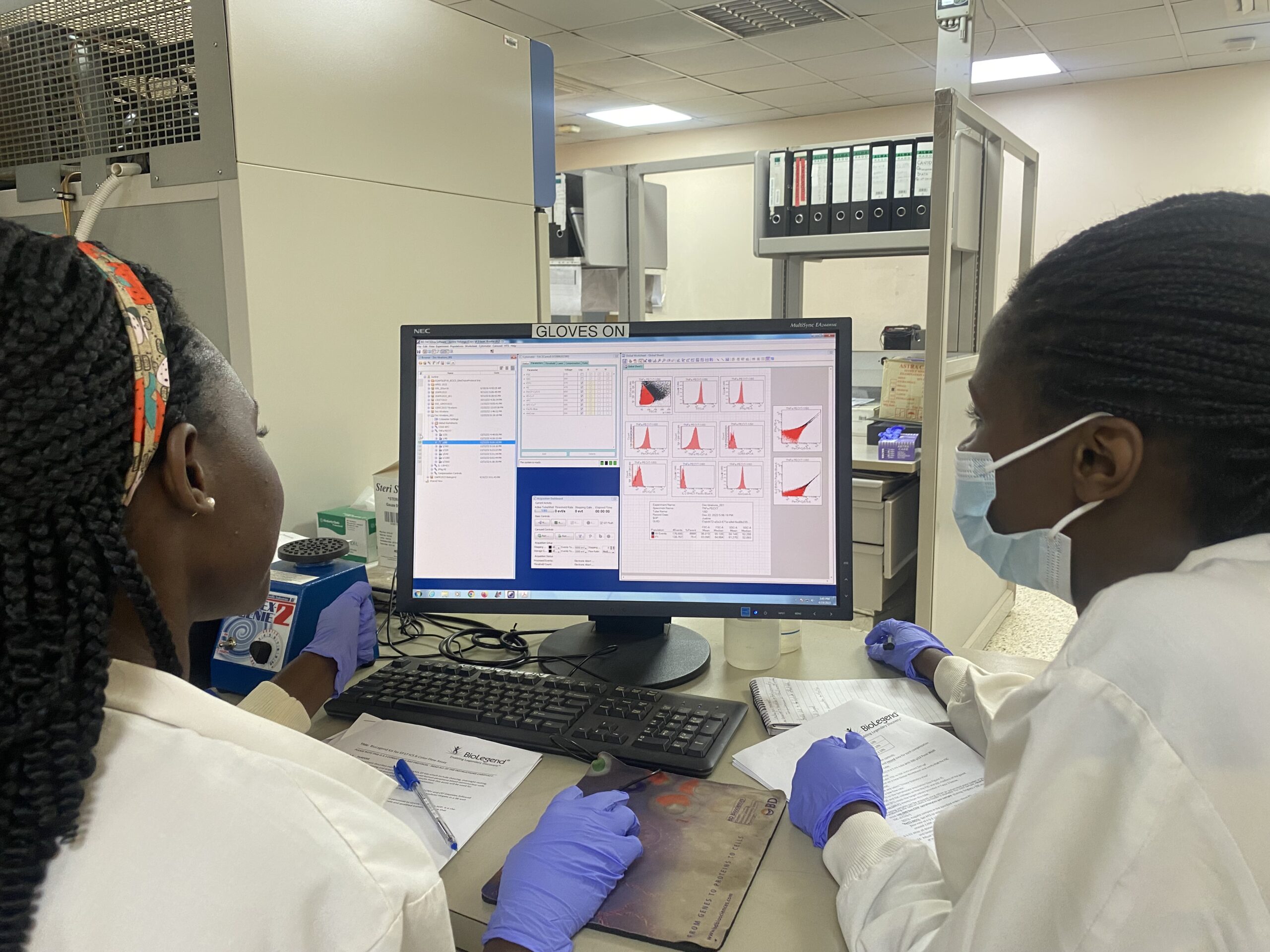
Flow cytometer
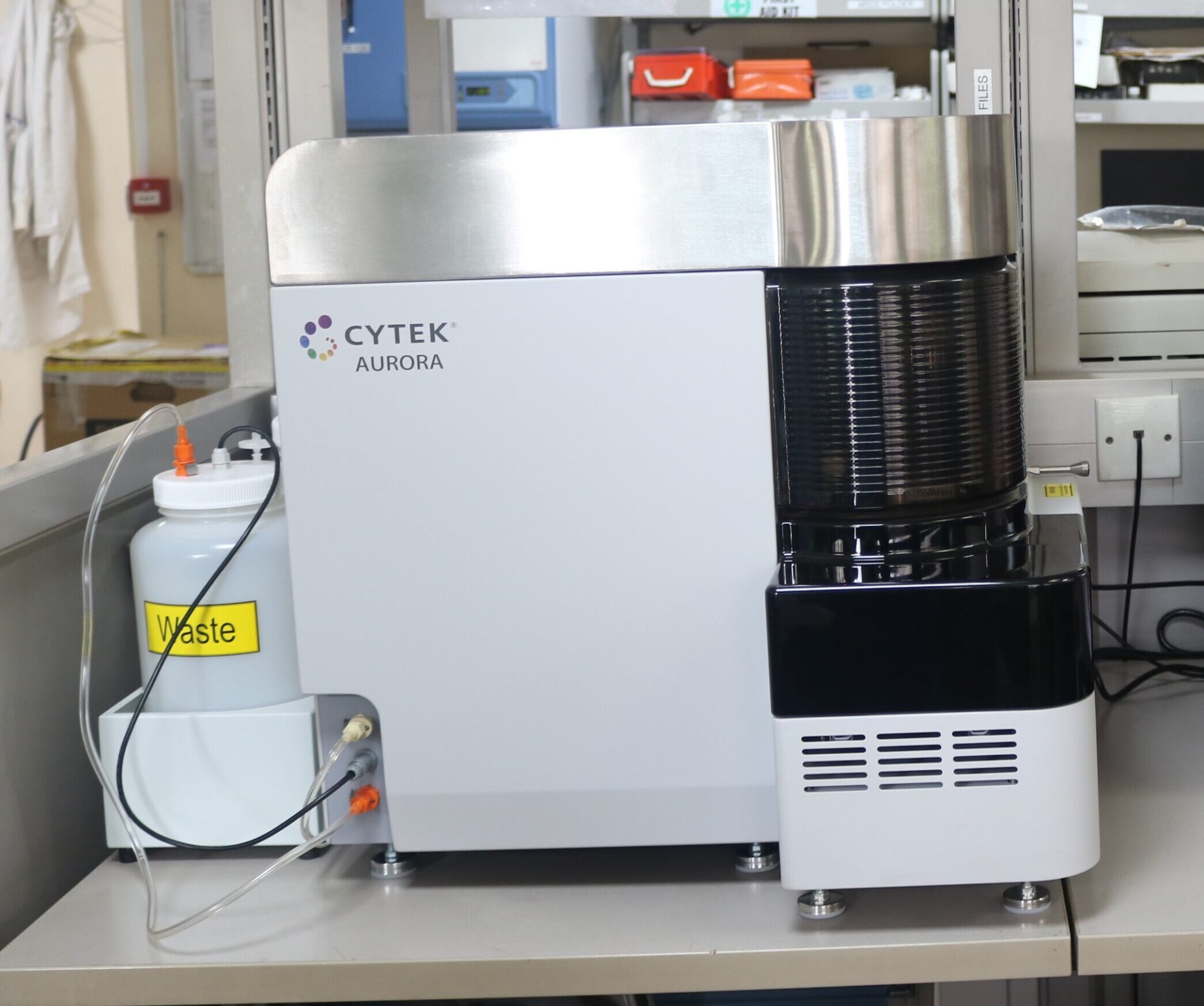
Cytek Aurora
Molecular Biology Laboratory
Our Molecular Biology Laboratory supports advanced genetic, proteomic, and biochemical investigations through a comprehensive suite of modern instruments and dedicated laboratory spaces. The facility includes fully renovated PCR rooms, master‑mix preparation areas, and genomic extraction suites designed to minimize contamination and support sensitive molecular workflows.
Core platforms include the Rotor‑Gene Q real‑time PCR system, Agilent TapeStation, and Applied Biosystems instruments for nucleic acid amplification, quantification, and quality control. Supporting infrastructure such as the AIR BOX contamination control system, electrophoresis units, Qubit 4 Fluorometer, GelDoc GO imaging system, centrifuges, and automated tissue dissociators enables precise DNA and RNA analysis and documentation.
As part of the DELIVER project, MUWRP scientists investigate mechanisms of HIV persistence despite antiretroviral therapy by studying CD4+ T cells isolated from blood and tissue samples. Analyses include measurement of cell‑associated HIV‑1 DNA (the viral genetic material retained in cells) and cell‑associated HIV‑1 RNA (indicative of viral transcriptional activity).
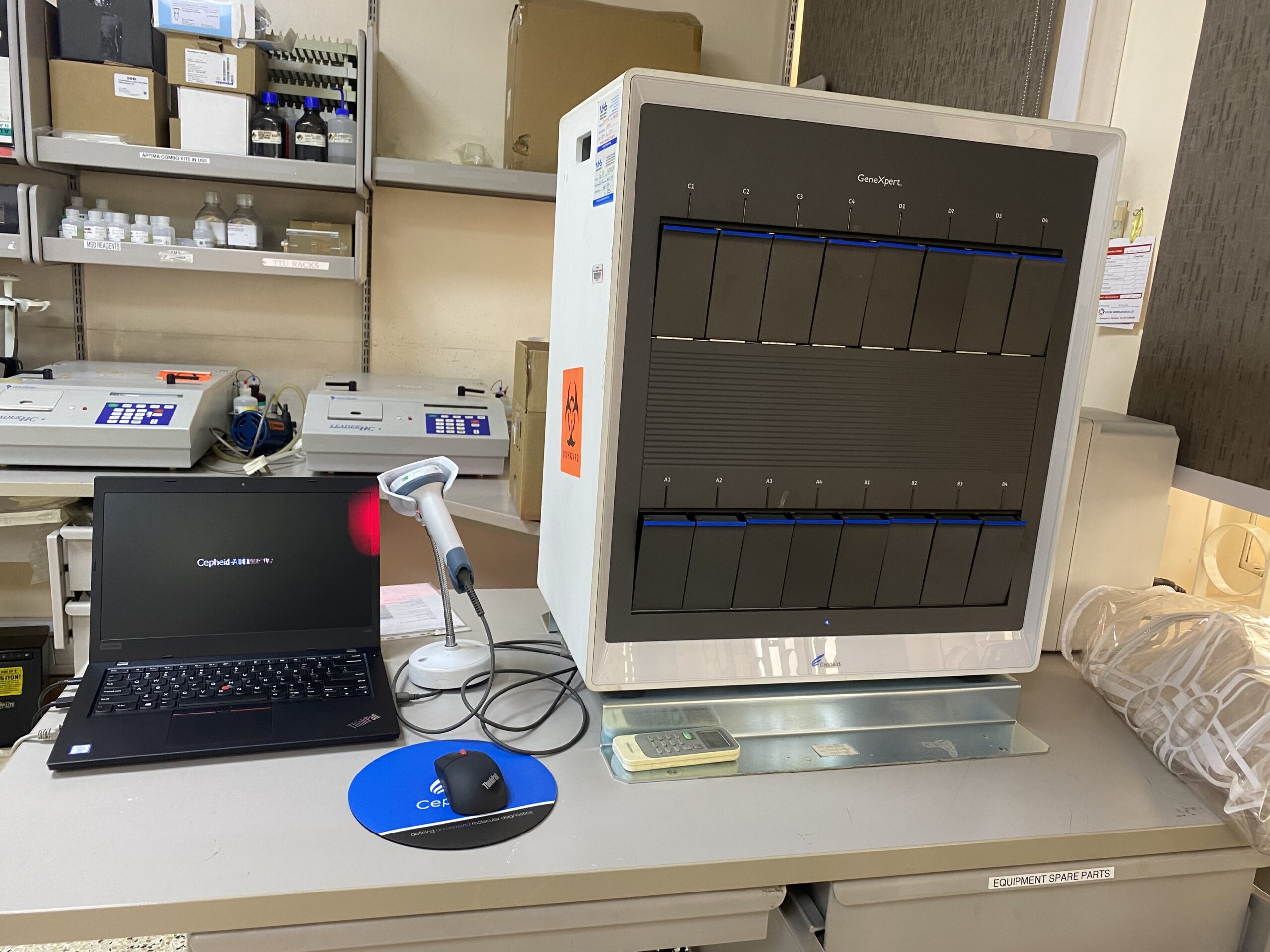
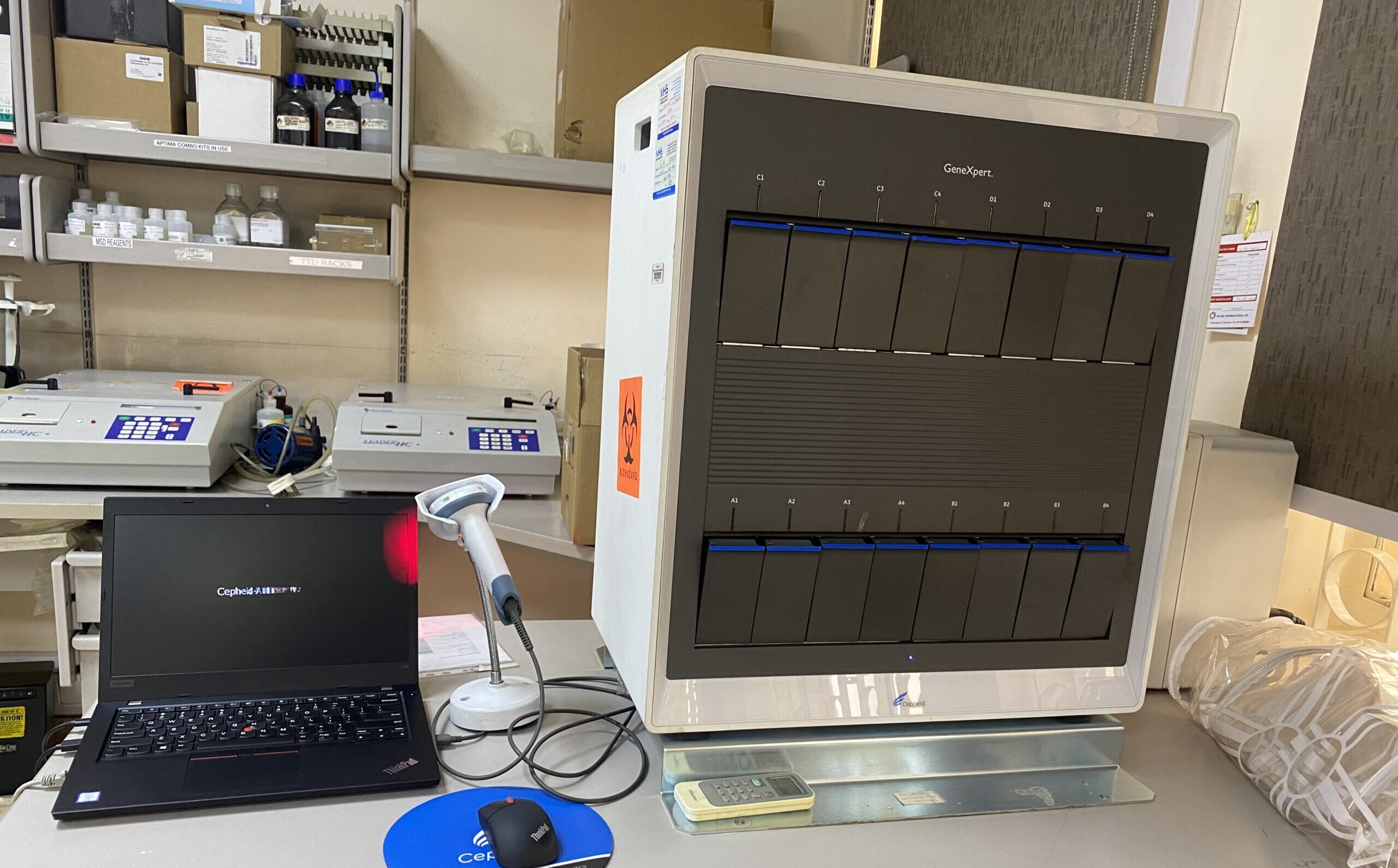
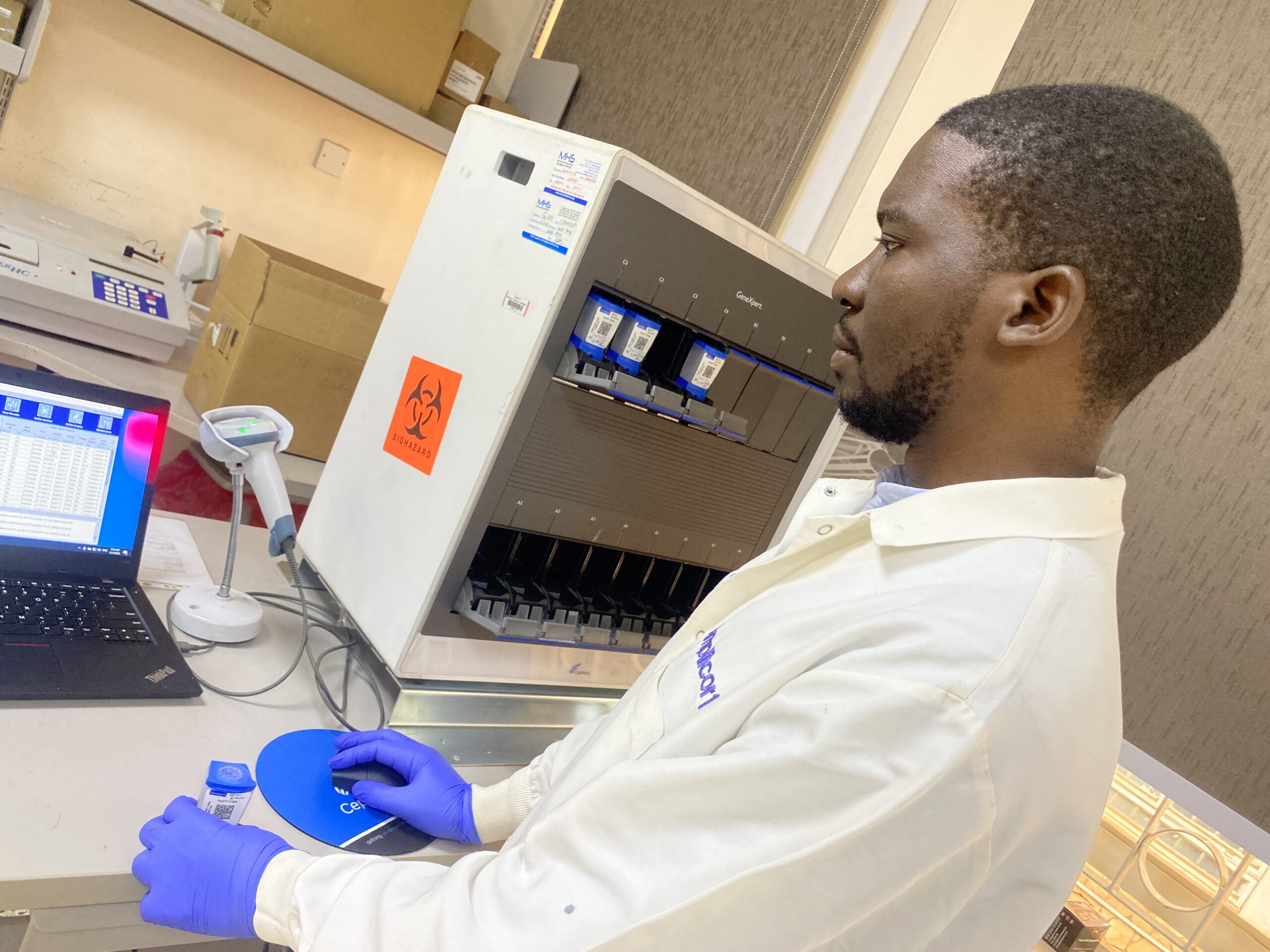
A key component of the laboratory’s diagnostic capability is the GeneXpert system, which provides rapid molecular detection of infectious diseases. At MUWRP, GeneXpert is used for HIV viral load monitoring and the detection of active tuberculosis and sexually transmitted infections such as Chlamydia trachomatis and Neisseria gonorrhoeae in urine and mucosal samples, with results available in under two hours. Its cartridge‑based design minimizes contamination risk and enables same‑day clinical decision‑making.
By integrating precision, efficiency, and accessibility, MUWRP’s Molecular Biology Laboratory supports innovative research, strengthens diagnostic capacity, and advances public health interventions across Uganda and sub‑Saharan Africa.
Gene Xpert Machines
Our Impact
To date, the laboratory has supported 63 research studies, providing critical laboratory data and specimen management services essential to advancing global health research.
We collaborate closely with Makerere University and other academic institutions to strengthen research capacity by providing hands‑on training and mentorship. Our laboratory hosts master’s and doctoral students, supporting 14 MSc and 3 PhD candidates, and offers structured internship programs in laboratory techniques, quality management systems, and clinical research. Since 2019, 41 interns have completed training at MUWRP, gaining practical skills and a strong understanding of the role of laboratory science in addressing global health challenges.
In addition to research support, MUWRP is committed to strengthening laboratory systems across the region. Through mentorship and targeted training in Laboratory Quality Management Systems, biosafety, and biosecurity, the program has supported 2 public health laboratories, 1 private laboratory, and 5 research laboratories. These collaborations contribute to sustainable improvements in laboratory quality and public health capacity.
CAP
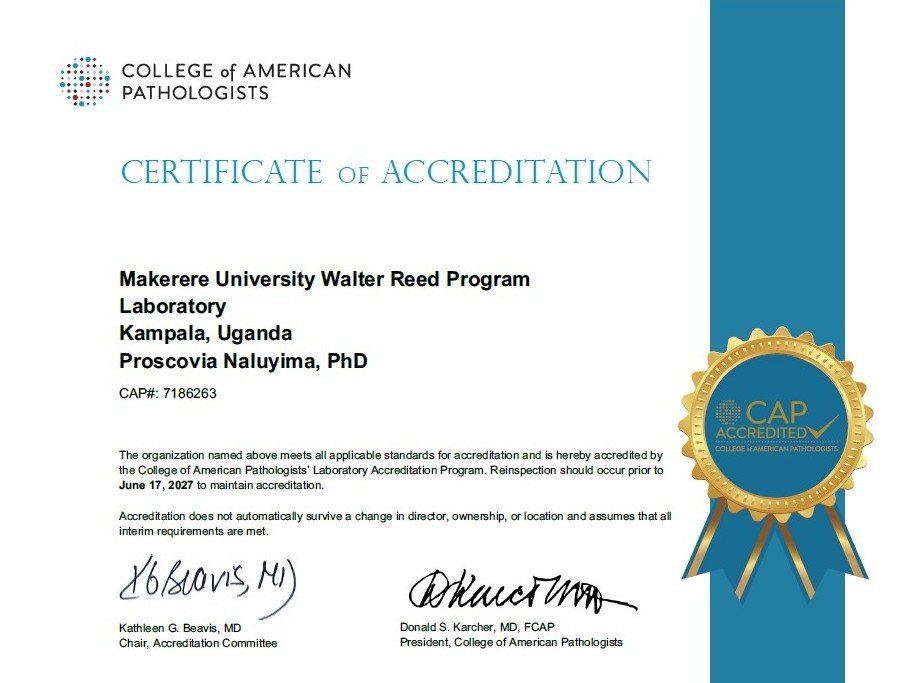
CAP-Accredited Clinical Laboratory
Our CAP-accredited laboratory provides high-quality clinical diagnostic services for research participants and partner programs. It supports hematology, chemistry, serology, and other clinical assays under strict quality-management and proficiency-testing frameworks.
Key Equipment
-
Automated hematology analyzers
-
Clinical chemistry analyzers
-
Immunoassay platforms
-
Biosafety cabinets
-
Refrigerated centrifuges
-
Sample storage freezers (–20°C and –80°C)
-
Temperature-monitored refrigerators
-
Backup power and secure sample-tracking systems
The laboratory follows GCLP standards and is fully integrated into the hospital’s quality-management and IPC frameworks.
ACESO
ACESO Laboratory – Fort Portal
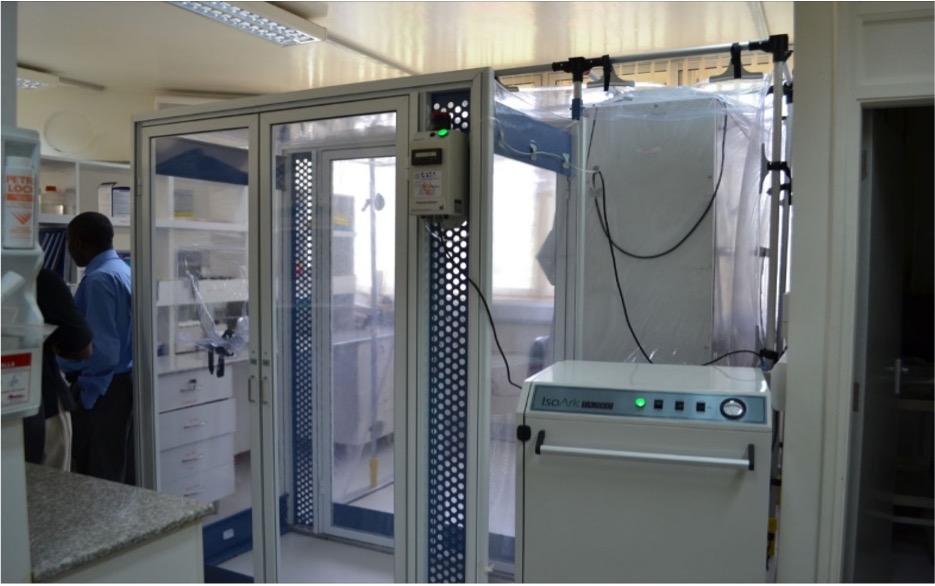
The JMEDICC/ACESO laboratory at Fort Portal Regional Referral Hospital strengthens MUWRP’s outbreak-readiness and clinical-research capability for sepsis and high-consequence infectious diseases.It operates under BSL-2 for routine work and deploys high-containment mobile glove-box systems for handling high-risk samples.
Key Equipment
-
Mobile glove-box containment systems (negative pressure, HEPA-filtered)
-
Automated hematology and chemistry analyzers
-
PCR testing capability for routine pathogen detection
-
Refrigerated centrifuges
-
–20°C and –80°C freezers with access control
-
iometric/electronic inventory-tracking systems
-
Temperature-monitored sample storage
-
Digital connectivity for real-time data capture (REDCap and secure LAN)
EIDP
EIDP Laboratory (UVRI Entebbe & CoVAB Makerere)
Our EIDP facilities operate enhanced BSL-2 laboratories supporting surveillance of influenza-like illnesses, zoonotic diseases, and antimicrobial resistance. They perform molecular diagnostics, serology, sequencing, immunological assays, and virus isolation.
Key Equipment
-
PCR Platforms
-
ABI 7500 Fast Real-Time PCR systems (×2)
-
QuantStudio 7 Flex
-
Sequencing
-
Oxford Nanopore MinION sequencer + accessories
-
Immunological & Molecular Platforms
-
MAGPIX multiplex immunoassay system
-
Multiple nucleic-acid extraction platforms
-
Biosafety & Storage
-
Class II A2 biosafety cabinets
-
Negative-pressure laboratory chambers
-
–80°C and –20°C freezers
-
General Equipment
-
CO₂ incubators
-
Agilent analyzers
-
UV gel documentation system
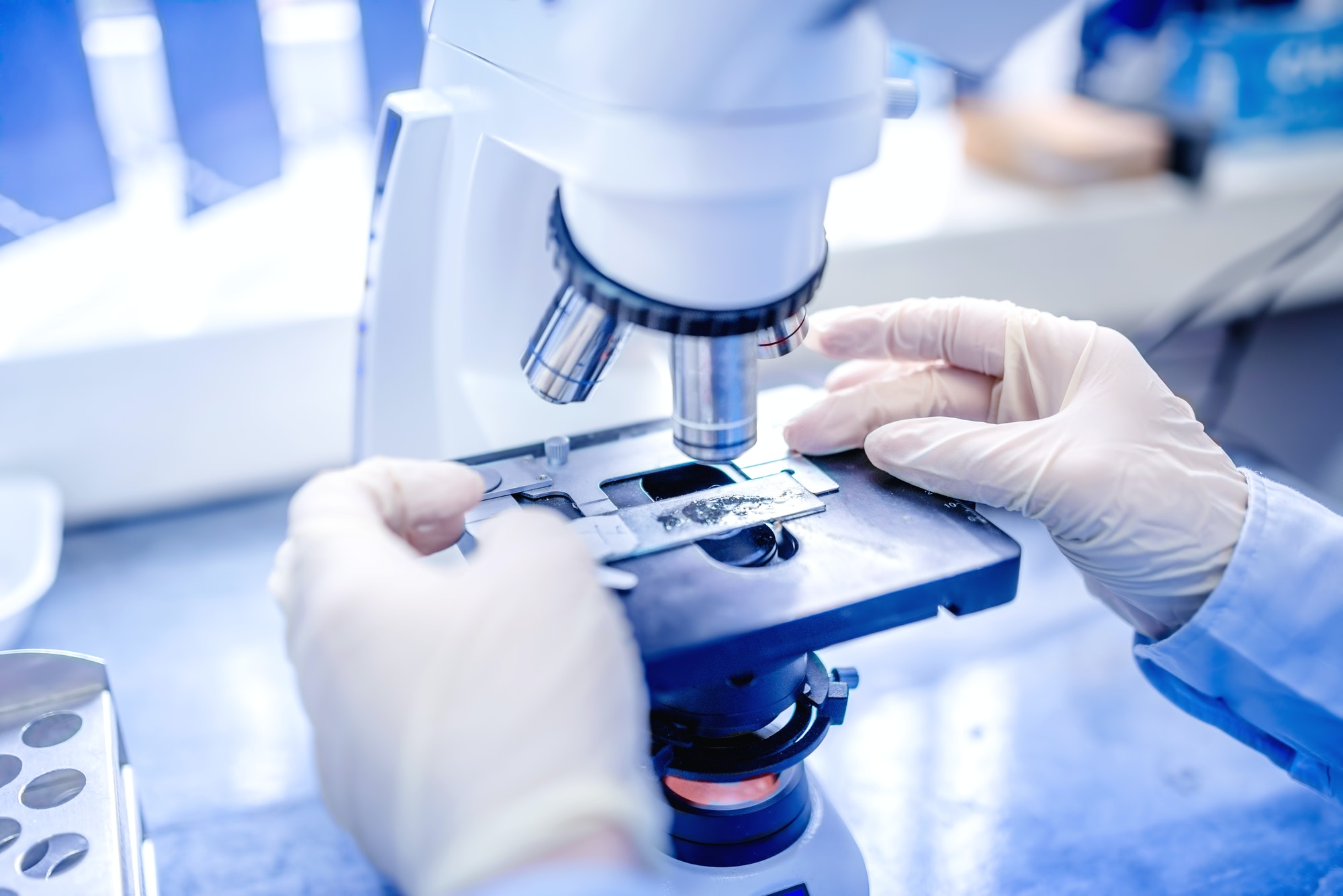
The CoVAB site includes compartmentalized rooms for cell culture, virus isolation, pre-amplification, amplification, a darkroom, and laboratory stores.
Our Scientists

Biography
Dr Prossy Naluyima is a laboratory scientist with a bachelor’s degree in biomedical laboratory technology from Makerere University, a Master of Science degree in Biomedical Science from the University of Ulster, Northern Ireland, UK, and a doctorate in Medical Science, specializing in Immunology from Karolinska Institute of Sweden.
She has over 20 years of experience in medical research with the Makerere University Walter Reed Program (MUWRP), Uganda. I oversee laboratories that support the evaluation of the health of patients, and the safety and immunogenicity of biological products for the prevention or therapy of infectious and non-infectious diseases.
Biography
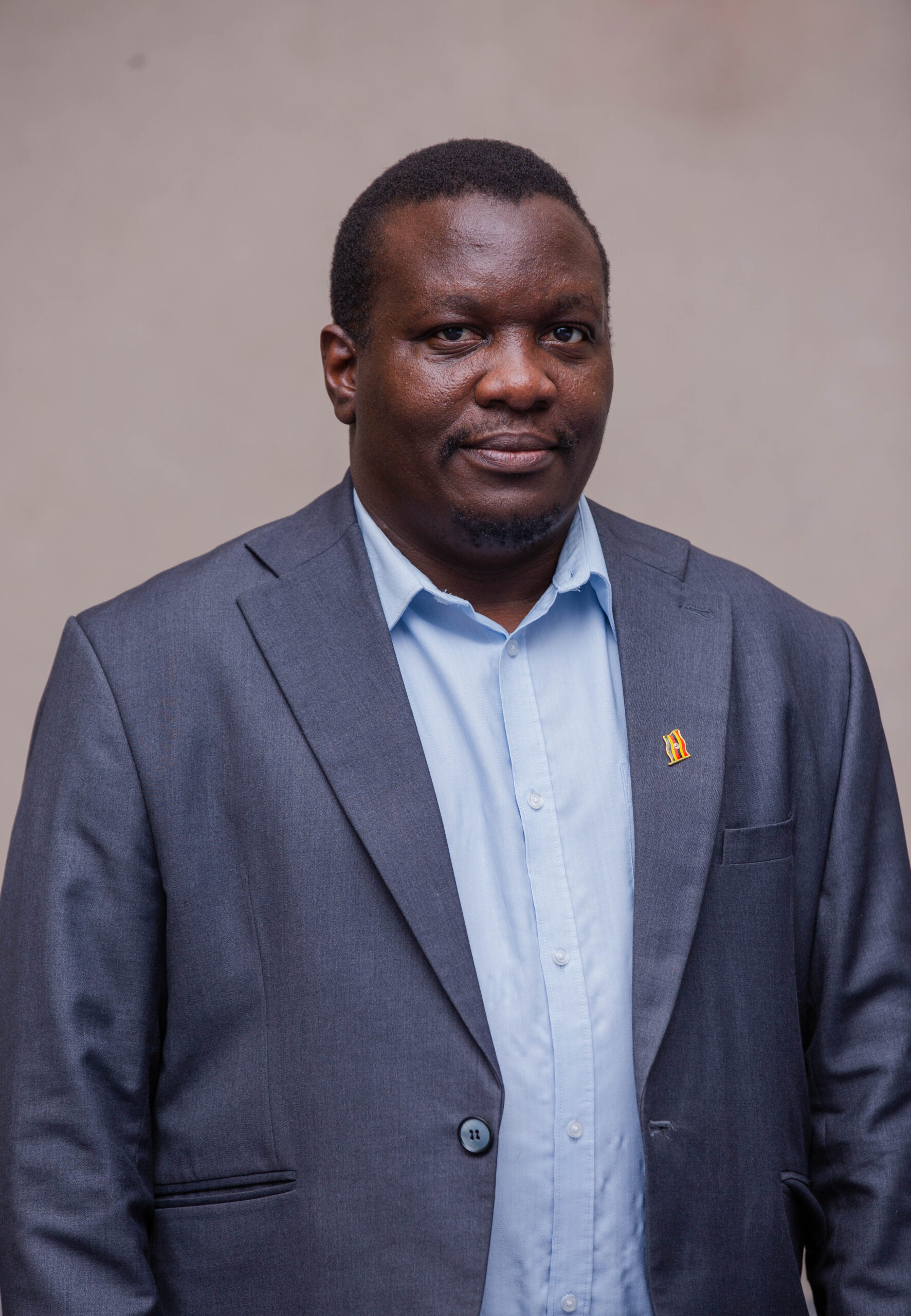
Ronald Wasswa Ephraim is a laboratory scientist by training with extensive experience in laboratory patient care, infectious disease research, and laboratory leadership. He currently serves as Laboratory Manager at the Makerere University Walter Reed Program (MUWRP) in Uganda, where he leads the day-to-day operations of a CAP-accredited laboratory supporting high-impact clinical research and patient care.
With over 20 years of experience in laboratory medicine, immunology, and infectious disease research, Ronald brings strong expertise in quality systems, operational efficiency, and regulatory compliance. At MUWRP, he drives laboratory excellence by strengthening quality management systems in alignment with GCLP, CAP, DAIDS, and other international standards. He provides strategic technical, and supervisory leadership to ensure the delivery of reliable, timely, and high-quality laboratory results, while optimizing resource utilization and introducing innovative technologies to enhance research capacity.
Ronald’s expertise in advanced laboratory techniques, including flow cytometry, molecular diagnostics (PCR), multiplex immunoassays, and biorepository management, enables MUWRP to effectively support complex clinical trials and cutting-edge research, particularly in HIV and malaria. He also plays a critical role in staff mentorship, performance management, and continuous quality improvement.
Beyond MUWRP, he contributes to national laboratory systems strengthening by supporting Ministry of Health laboratories and fostering collaborative partnerships across Uganda. Ronald holds a Master of Science in Medical Immunology from Maseno University and is committed to advancing laboratory systems that improve patient outcomes, strengthen research capacity, and support public health priorities and global health security.

Biography
Emmanuel Wasswa is a laboratory scientist and public health monitoring and evaluation specialist by training with extensive experience in laboratory patient care, infectious disease research, and laboratory quality assurance and control. He currently serves as Laboratory Quality Assurance/ Quality Control Officer at the Makerere University Walter Reed Program (MUWRP) in Uganda, where he manages the laboratory quality management system implementation and improvement of a CAP-accredited laboratory supporting high-impact clinical trial research and patient care.
With 7 years of experience in laboratory medicine and clinical trial research, Emmanuel brings strong expertise in laboratory quality systems, operational efficiency, and regulatory compliance. At MUWRP, he drives laboratory excellence by strengthening the laboratory quality management systems in alignment with GCLP, CAP, DAIDS, and other international standards. He supports development of standard operating procedures, equipment calibration, maintenance of quality system records and provides strategic guidance to ensure the delivery of reliable, timely, and high-quality laboratory results. He also supports procurement activities and introduction of advanced testing platforms to enhance research capacity.
Emmanuel’s expertise in advanced laboratory techniques, including Peripheral Blood Mononuclear Cell isolation, molecular diagnostics (PCR) and multiplex immunoassays enables MUWRP to effectively support complex clinical trials and cutting-edge research. He also plays a critical role in staff mentorship and continuous quality improvement.
Emmanuel holds a Master of Public Health Monitoring and Evaluation from Makerere University and is committed to supporting laboratory quality management systems that improve patient outcomes, strengthen research capacity, and support public health priorities and global health security.
Biography
Willy Kayondo is a Laboratory Supervisor at the Makerere University Walter Reed Program (MUWRP) CAP-certified Clinical and Research Laboratory in Kampala, Uganda, with more than 10 years of progressive experience in clinical and research laboratory operations. He holds a Bachelor of Science in Biomedical Laboratory Technology from Makerere University and is currently pursuing a Master of Science in Bioinformatics. Registered with the Allied Health Professionals Council (Reg. No. 22411), he combines expertise in laboratory science, quality management systems, biosafety, and regulatory compliance with a growing focus on data-driven research approaches.
Since joining MUWRP in 2014, Willy has served in several technical and leadership roles across both central and field laboratory settings. His career progression includes positions as Laboratory Technologist, Repository Officer, Laboratory Process Coordinator, Senior Biomedical Scientist, and currently Laboratory Supervisor. Throughout these roles, he has contributed to strengthening laboratory operations, improving workflow efficiency, and maintaining accredited laboratory standards in support of clinical and research activities.
Willy has extensive experience supporting clinical trials and research studies through safety and diagnostic testing, specimen processing for immunogenicity studies, and specimen repository management. He has played a key role in implementing and maintaining laboratory quality systems aligned with international standards, including CAP, ISO 15189, and CLIA requirements. His professional certifications include DAIDS Good Clinical Laboratory Practice (GCLP), Biorisk Management, SAFTPAK for infectious substance shipment, and Infection Prevention and Control (IPC).
In addition to his laboratory leadership responsibilities, Willy has contributed significantly to public health emergency response efforts in Uganda. He served as technical lead for mobile clinical testing units deployed at Ministry of Health-designated Ebola Treatment Units during the 2022/2023 and 2025 Sudan Virus Disease outbreaks. His work supported rapid clinical chemistry and complete blood count testing in outbreak settings, helping strengthen emergency laboratory response capacity. In 2024, he presented a poster titled “Utilization of Prepositioned Research Laboratory Capabilities to Support Sudan Virus Disease Response in Uganda” at the Global Health Security Conference 2024.