Stakeholder Engagement
Overview
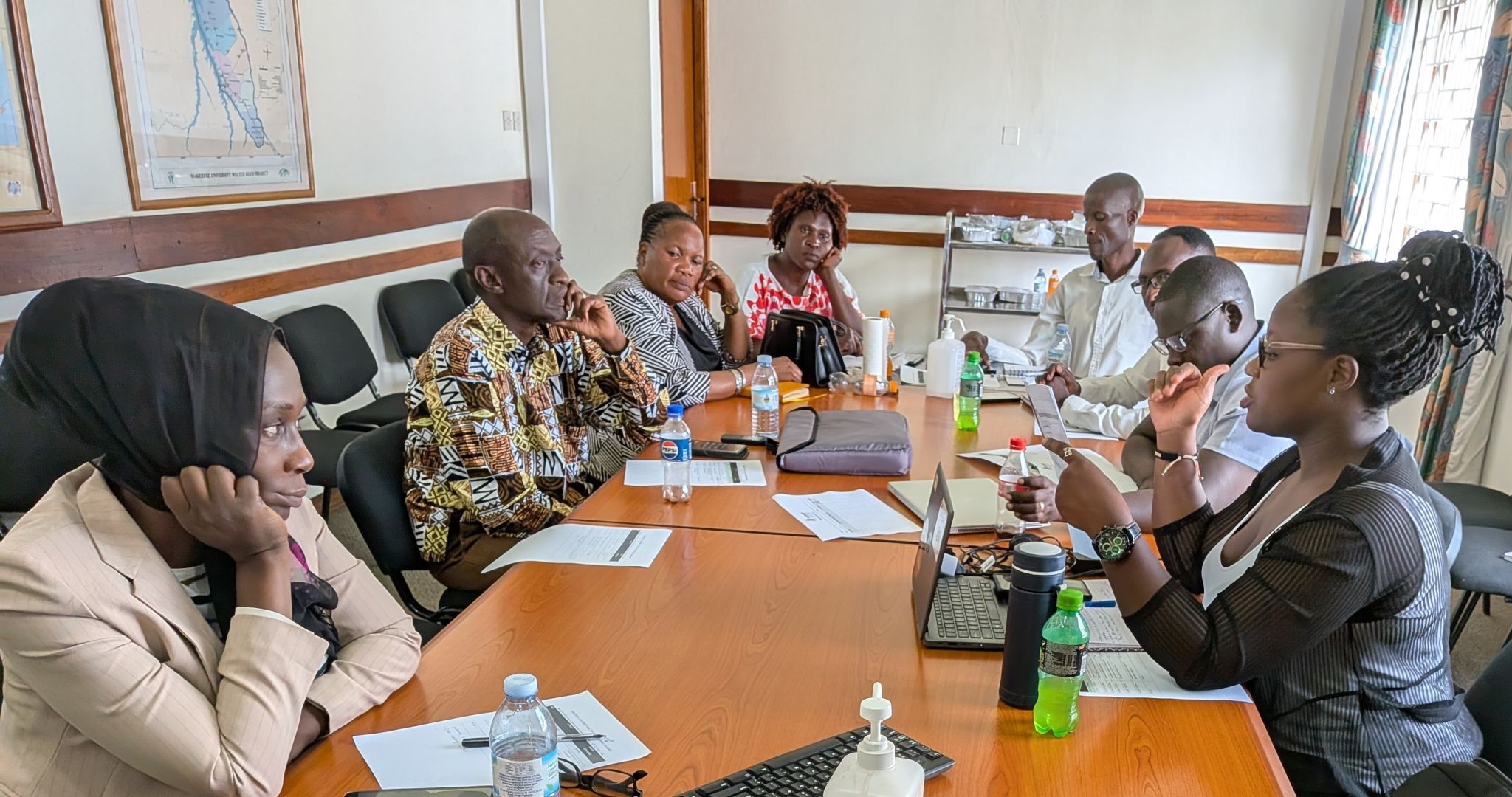
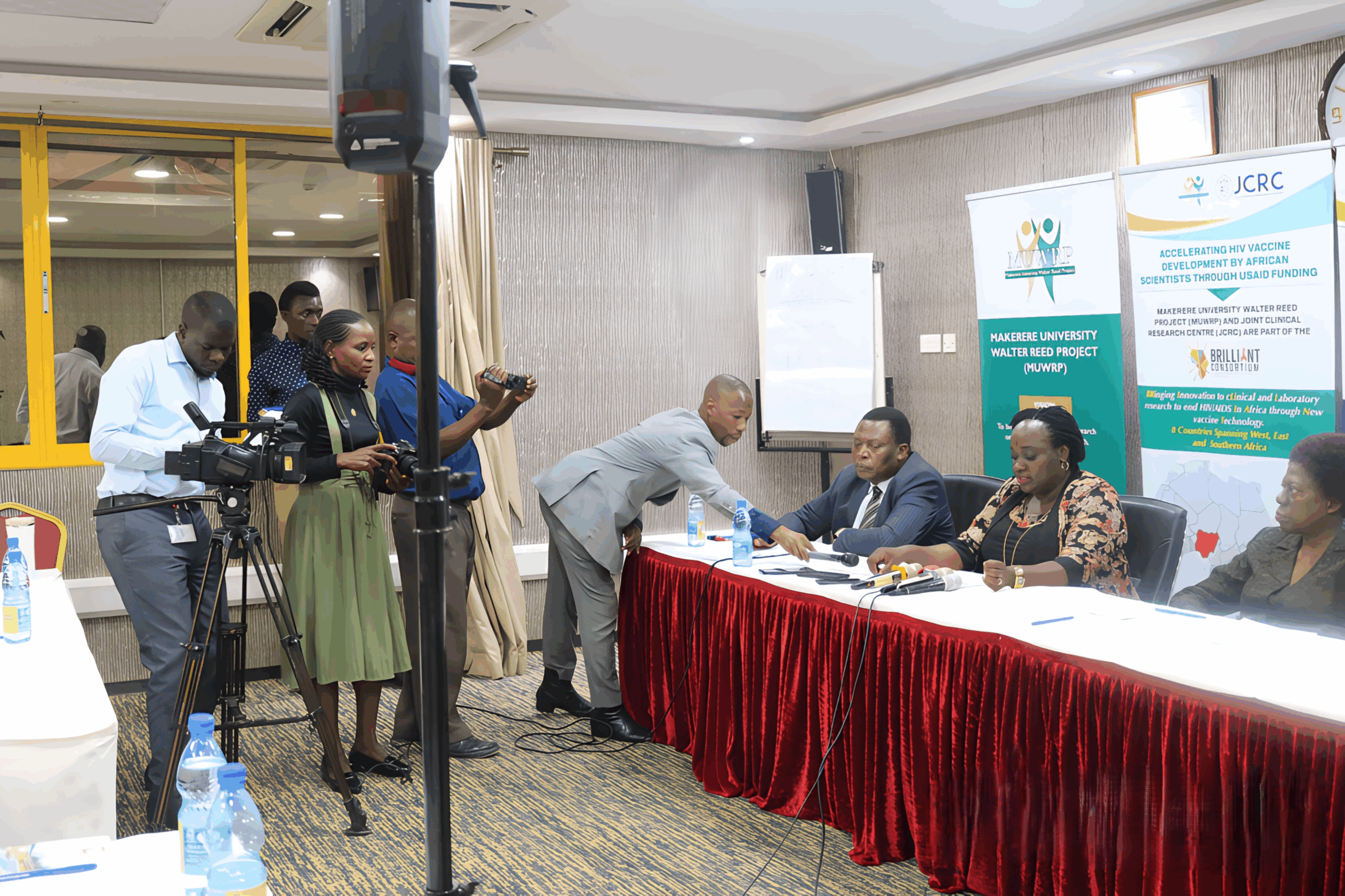
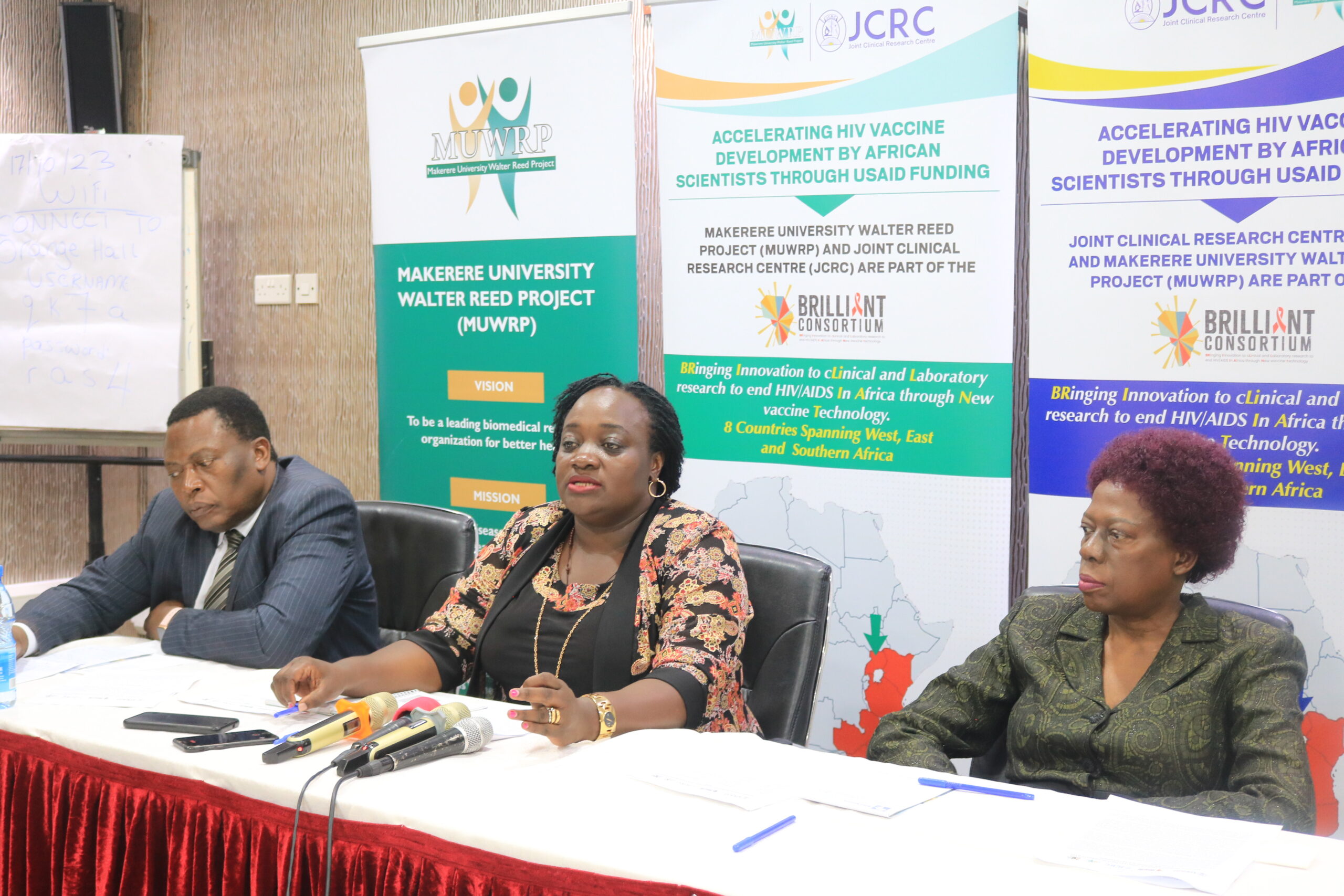
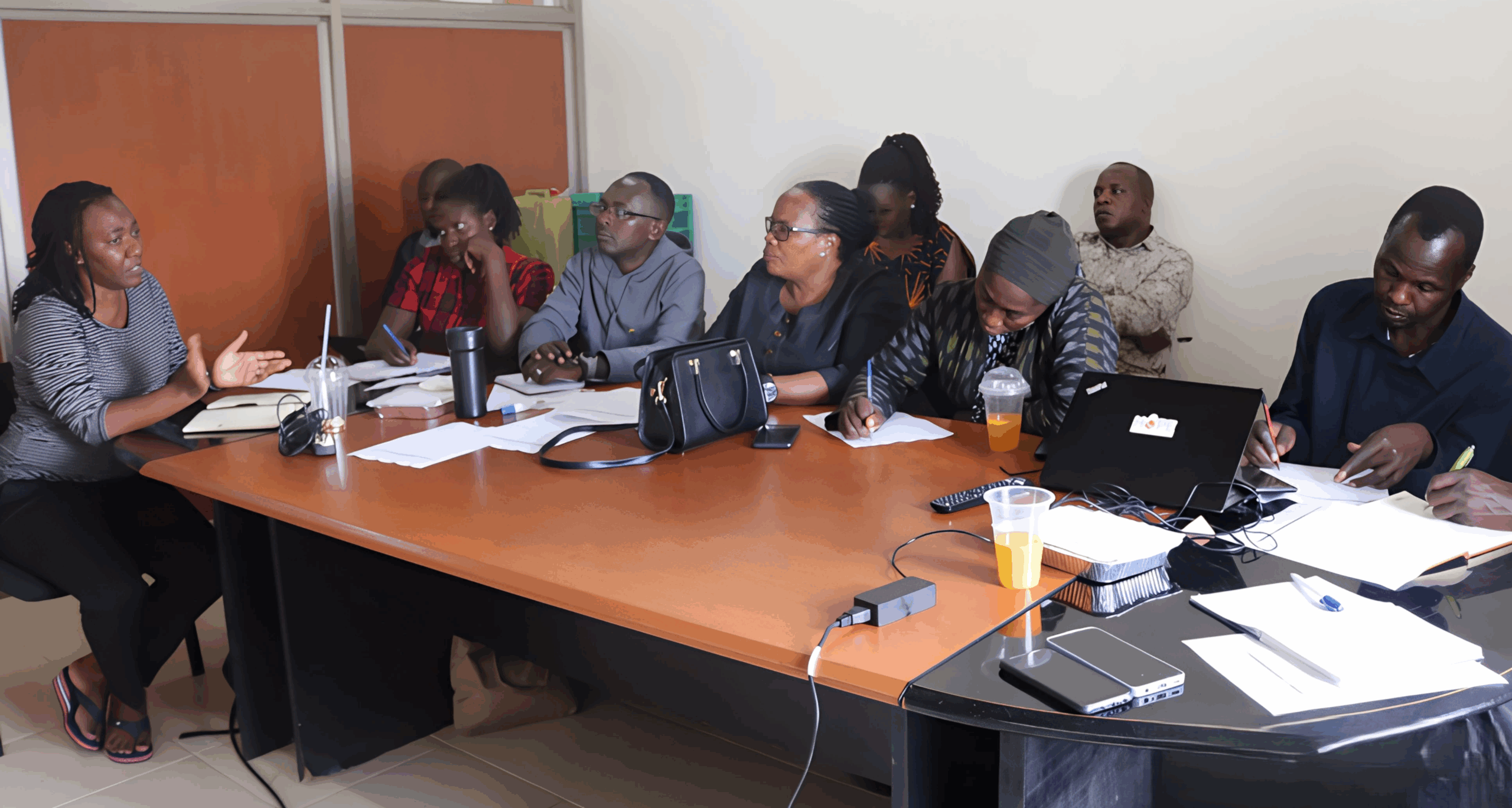
Stakeholder Engagement is the cornerstone of MUWRP’s efforts to conduct ethical, community-informed biomedical research and implement effective public health programs. It acts as a bridge that fosters trust, transparency, and meaningful collaboration between MUWRP and the diverse communities it serves. By actively involving community members in every stage of research and health initiatives, MUWRP ensures that its efforts are culturally sensitive, ethically sound, and aligned with community needs.
Research Participant Recruitment and Retention
Successful research hinges on the active participation of community members. MUWRP employs a multifaceted approach to recruit and retain participants ethically and inclusively. The approaches include:
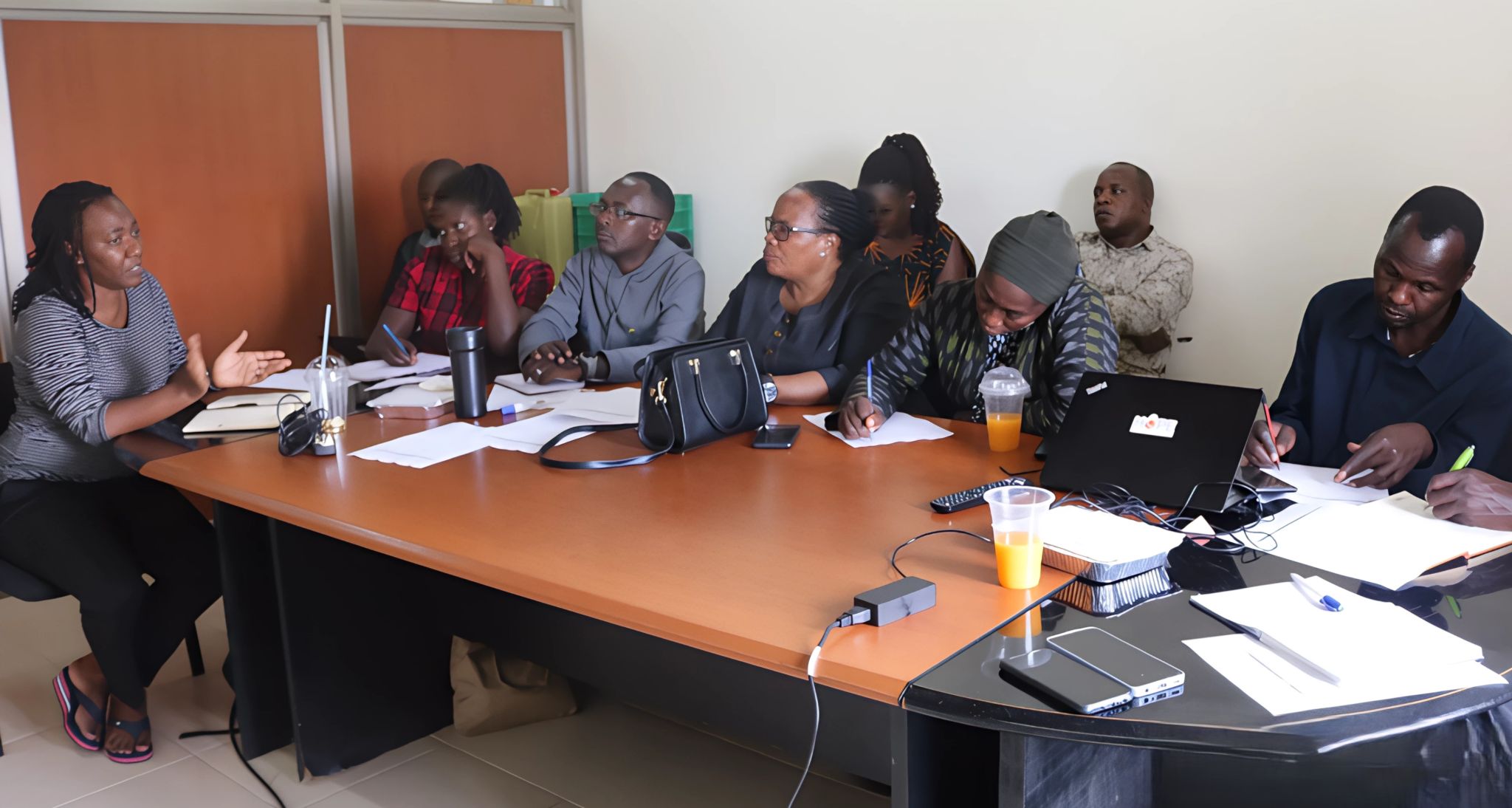
Community Sensitization & Mobilization
Through targeted outreach campaigns, radio programs, and community dialogues, MUWRP raises awareness about ongoing studies, emphasizing their significance for community health.
Community Advisory Boards (CABs):
These boards serve as trusted intermediaries, guiding recruitment messaging and identifying key community entry points. CABs ensure community perspectives shape research processes.
Peer-Led Recruitment
Engaging peer mobilizers and influential community figures helps reach hard-to-reach populations, fostering trust and encouraging participation.
Retention Support
To maintain participant engagement, MUWRP offers psychosocial support, transportation reimbursements, appointment reminders, and flexible scheduling options.
Technology-Driven Follow-ups
SMS reminders and mobile phone follow-ups enhance communication, making it easier to track and support participants throughout the study.
Establishing and Overseeing Community Advisory Boards (CABs)
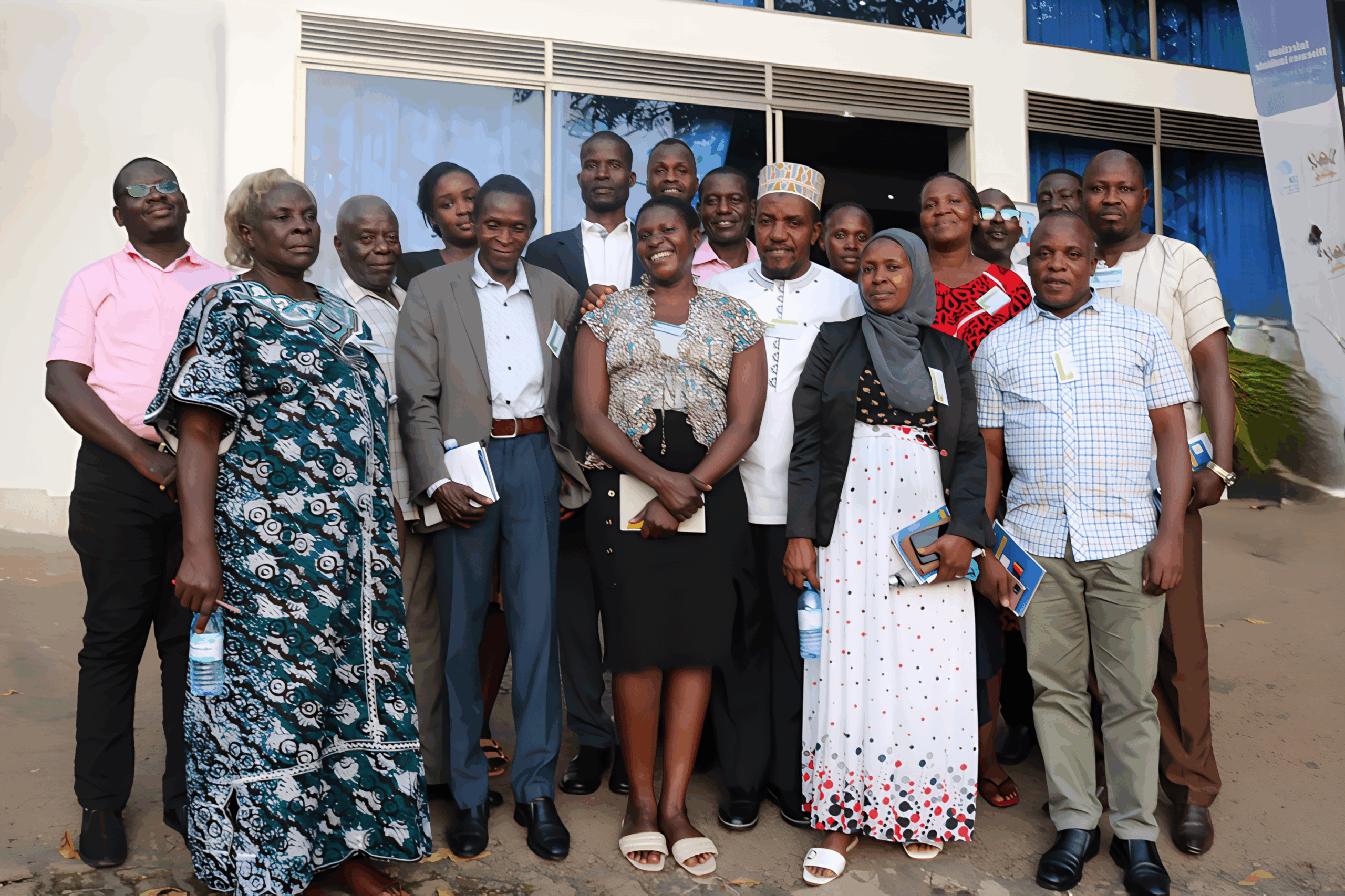
MUWRP has established several CABs that serve as essential links between researchers and communities. CABs are composed of diverse community representatives and play a pivotal role in ensuring ethical conduct, safeguarding participant welfare, and mobilizing communities for research activities. Currently MUWRP oversees the following CABs:
AFRICOS CAB
Supports the long-term AFRICOS cohort study conducted in Kayunga district, ensuring community insights inform HIV care and surveillance efforts.
Kampala CAB
Provides oversight and community feedback for clinical studies conducted at MUWRP’s Nakasero site in Kampala.
CASCADE CABs (Kayunga and Mukono)
Recently created to support cervical cancer screening research in Kayunga and Mukono districts. CABs are composed of diverse community representatives and play a pivotal role in ensuring ethical conduct, safeguarding participant welfare, and mobilizing communities for research activities.